
What’s
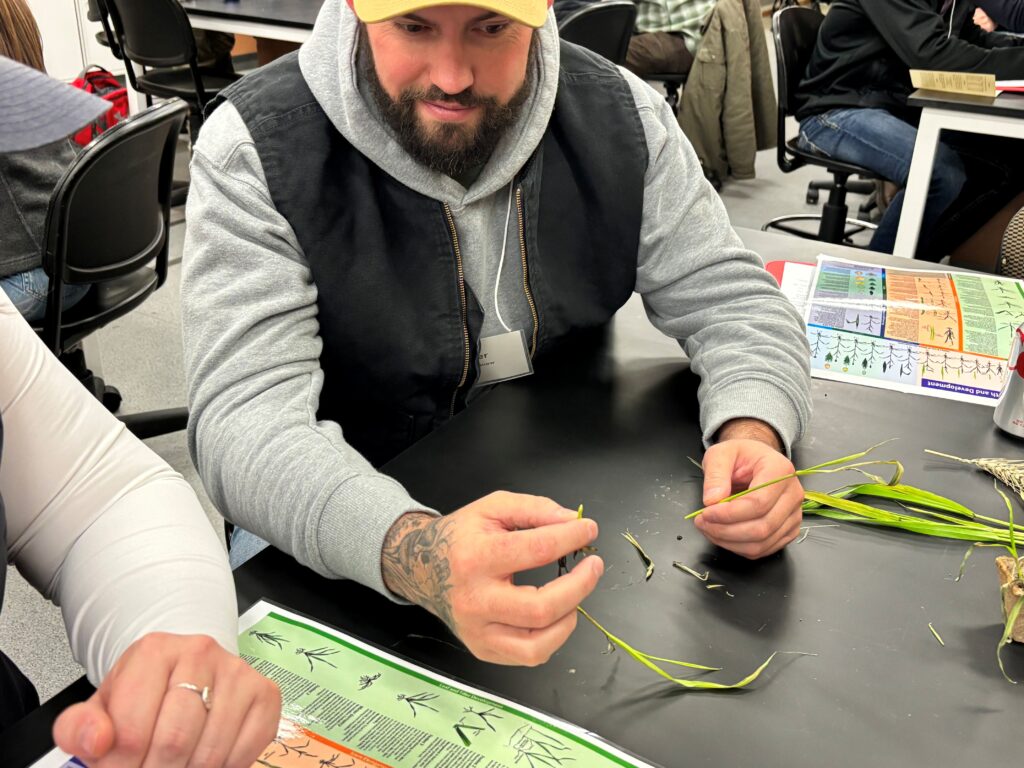
WSU Wheat Academy: 10 Years of Educating Wheat Growers and Crop Consultants
Register now for the 2026 Wheat Academy.

Herbicide Resistance Screening in Washington: Grass Weeds Continue to Dominate
Grass weeds continue to dominate the resistance problem in eastern Washington wheat production systems.
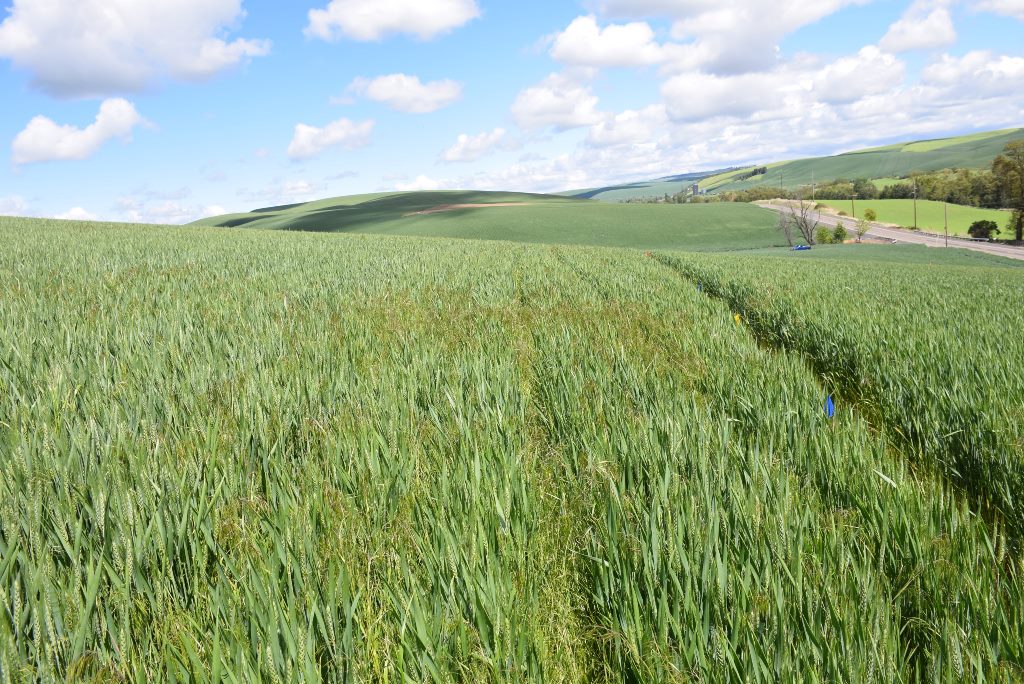
Results of the 2025 Weed Control Field Studies Conducted Across Eastern Washington
The 2025 WSU Weed Control Report summarizes field studies across eastern Washington in winter wheat, pulse crops, spring canola, Kentucky bluegrass, chemical fallow, and winter wheat cropping systems.
Pesticide Labels Are Changing
The Environmental Protection Agency (EPA) regulates pesticides because their use can affect animals and plants (or their habitat). Farmers and applicators should expect to see some new application requirements on their pesticide labels to comply with the EPA Endangered Species Act.
- What You Need to Know About Pesticides and the Endangered Species Act
- New rules for herbicide applications are coming, are you prepared?
- Pesticides and the Endangered Species Act: What You Need To Know Q&A (pdf)
- New Compliance Requirements Coming to Pesticide Labels
- Making Sense of the New EPA Mitigation Requirements for Pesticide Applicators

New Publication
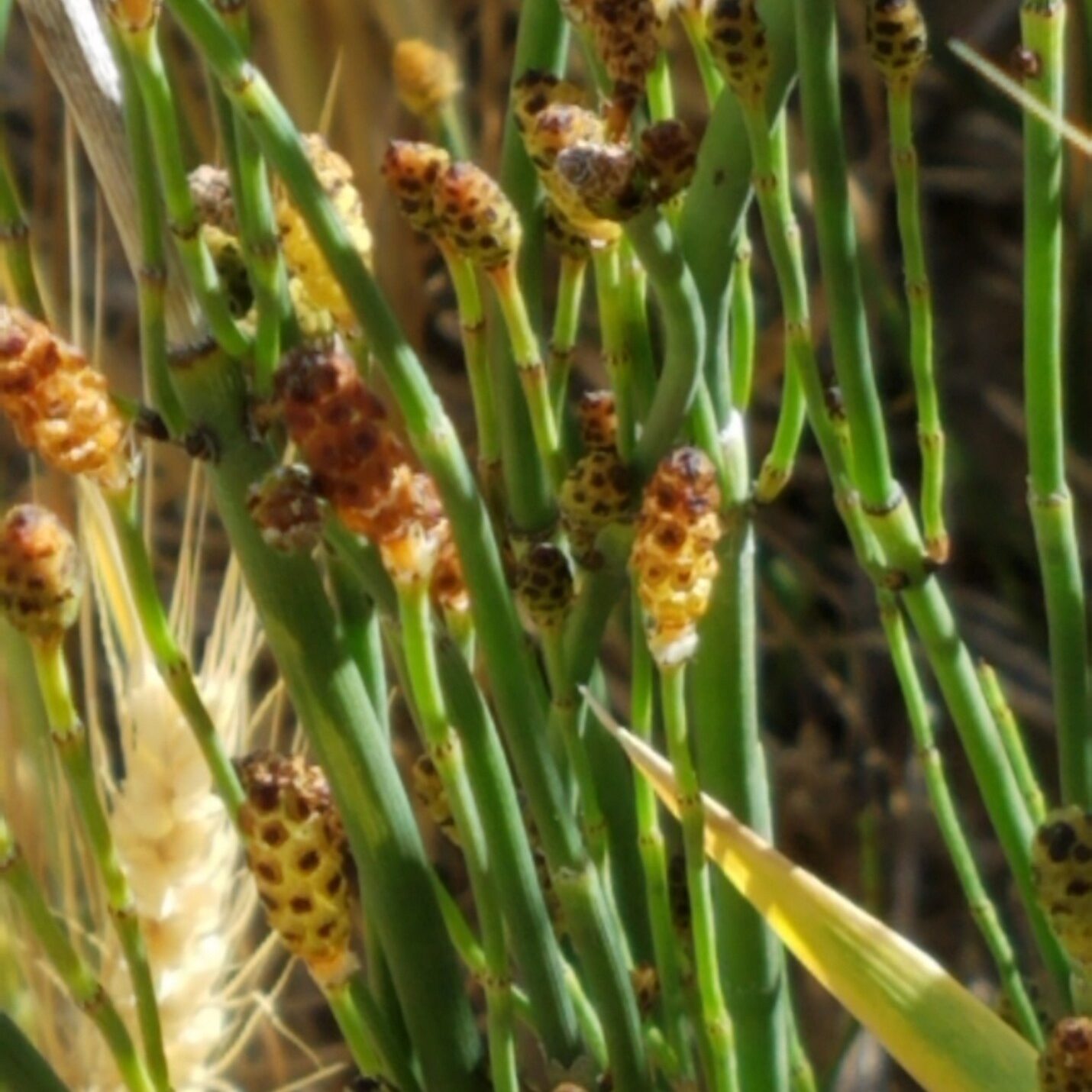
Managing Smooth Scouringrush and Field Horsetail In Dryland Cropping Systems
Smooth scouringrush and field horsetail are members of an ancient, spore-bearing vascular plant group that arose about 400 million years ago. They are perennial plants that can be troublesome in no-till, dryland cropping systems. Although neither species competes strongly with fall-sown crops, thick stands of either species can significantly reduce yields of spring-sown crops. Their presence in the field at harvesttime can result in high sickle bar wear and discoloration of chickpea seed.


Featured Video and Articles
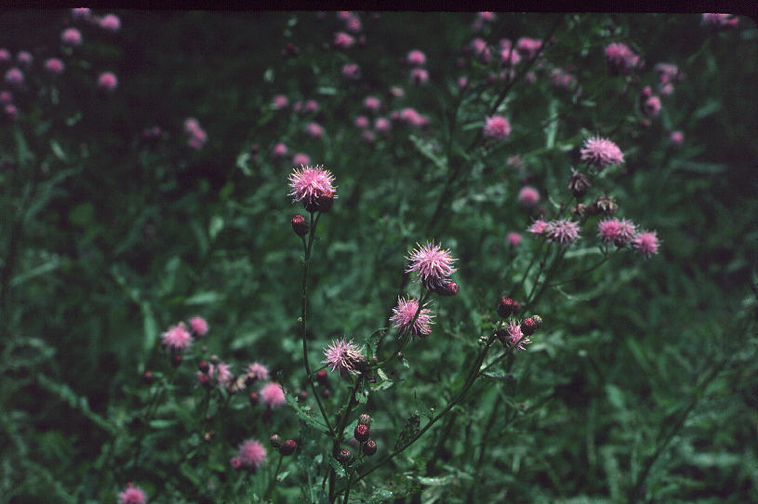
- Could A Fungus Help Farmers Fight Canada Thistle?
- All-of-the-Above Management: Weed Control in Organic Grain Production in the Pacific Northwest (opens in new tab)
- GROW Farmer Forum Recap: Targeted Spray Technologies in the Field (opens in new tab)
- A Deep Dive on Precision Spraying with the WEED-IT (opens in new tab)
- Some Concerns with RoundUp Ready Spring Canola for Italian Ryegrass Control
- Farmer Forum Recap: Using Seed Impact Mills for Weed Control (opens in new tab)
Common


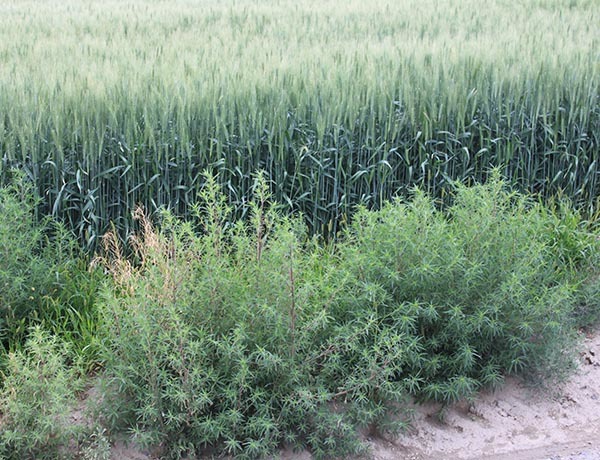


Herbicide Resources
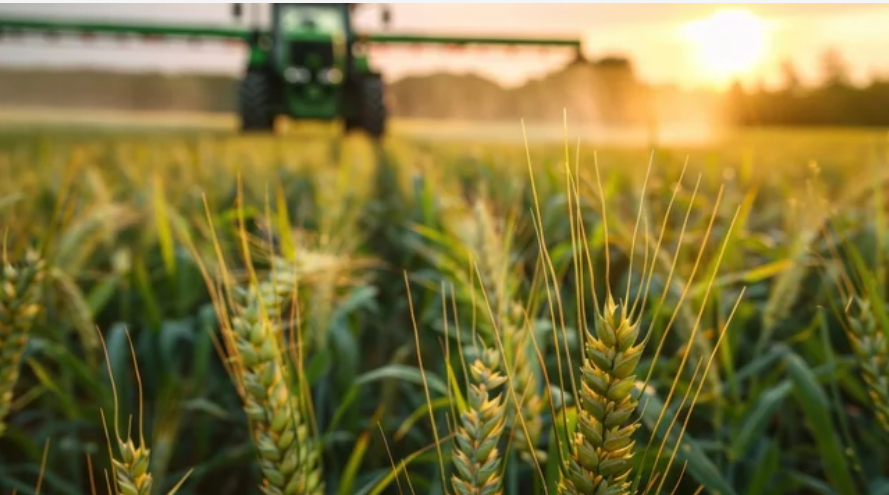
Herbicide Resistance Screening in Washington: Grass Weeds Continue to Dominate
Grass weeds continue to dominate the resistance problem in eastern Washington wheat production systems.
Herbicide Resistance Is Getting More Complicated
Dr. Drew Lyon introduces non-target-site resistance, an emerging and complicated form of herbicide resistance in the PNW.

New Publication: Italian Ryegrass Management in Dryland
Check out our new publication “Italian Ryegrass Management in Inland Pacific Northwest Dryland Cropping Systems.”

Italian Ryegrass Management in Inland Pacific Northwest Dryland Cropping Systems
Widespread herbicide resistance in Italian ryegrass makes integrated weed management strategies difficult for this problematic weed. Learn about the multiple control methods that can be combined in various ways for wheat-based cropping systems for better long-term control.

Best Management Practices for Managing Herbicide Resistance
Over-reliance on herbicides for the management of weeds is a major cause of herbicide resistance. This publication presents growers and farm managers with best management practices (BMPs) that can be incorporated into farming systems to manage herbicide resistance.

Pacific Northwest Herbicide Resistance Initiative
The Pacific Northwest Herbicide Resistance Initiative (PNWHRI) provides ongoing support for programs and projects focused on managing herbicide-resistant weeds across the PNW, with a special focus on cereals producing regions.
Resistance Testing Program
Submitting a sample to the WSU Resistance Testing Program is easy. View the Resistance Testing Program webpage for details about how to submit samples.
- Wild oat resistance and screening updates
- Annual Bluegrass Breaks Another Barrier: First Case of Indaziflam Resistance in Oregon
- Weed Management Challenges in the Pacific Northwest–Preliminary Producer Survey Results
- Cross- and multiple-resistance in Italian ryegrass to commonly used herbicides in seed production of Willamette Valley, OR
- Annual bluegrass herbicide resistance confirmed in Oregon hazelnut orchards

GROW is a scientist-led network coordinating research to help farmers across the U.S. fight herbicide-resistance with a greater diversity of weed control strategies. The GROW website and social media platforms provide information, videos, tools, news stories and other resources on integrated weed management options such as cover crops, increased crop competition, harvest weed seed control, weed seedbank prevention and more.
Herbicide Resistance Basics
The Basics of Herbicide Resistance (opens in new tab)
How to Manage Herbicide Resistance with IWM (opens in new tab)
Take Action Herbicide Classification Chart (PDF, opens in new tab)
Harvest Weed Seed Control
- Harvest Weed Seed Control: Applications for PNW (Pacific Northwest) Wheat Production Systems
- GROW’s New Harvest Weed Seed Control Webpage Makes Understanding HWSC Simple (opens in new tab)
- Farmer Forum Recap: Using Seed Impact Mills for Weed Control (opens in new tab)
- Greene Ridge Farms Tackles Tough Weeds with Seed Impact Mill (opens in new tab)
- Simon Crawford’s First Year with a Seed Impact Mill (opens in new tab)
- Druffel Farms Adds a Seed Impact Mill to Manage Weeds (opens in new tab)
- Farmers Lead the Way in this Series (opens in new tab)
If you require an alternative format for any of the content provided on this website, please contact us at small.grains@wsu.edu.