What’s New
10 Things You Can Do Right Now to Improve Your Farm’s Bottom Line
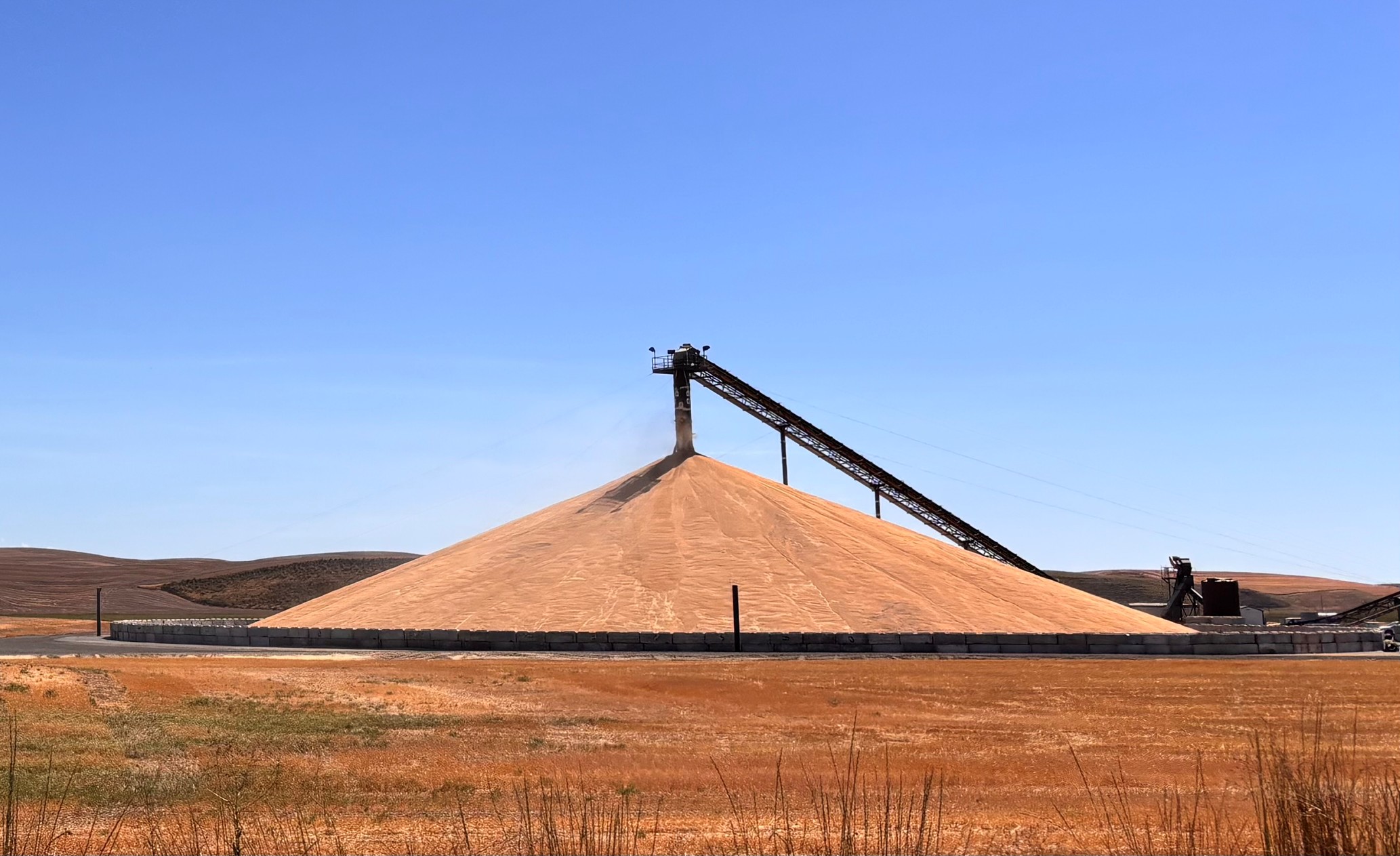
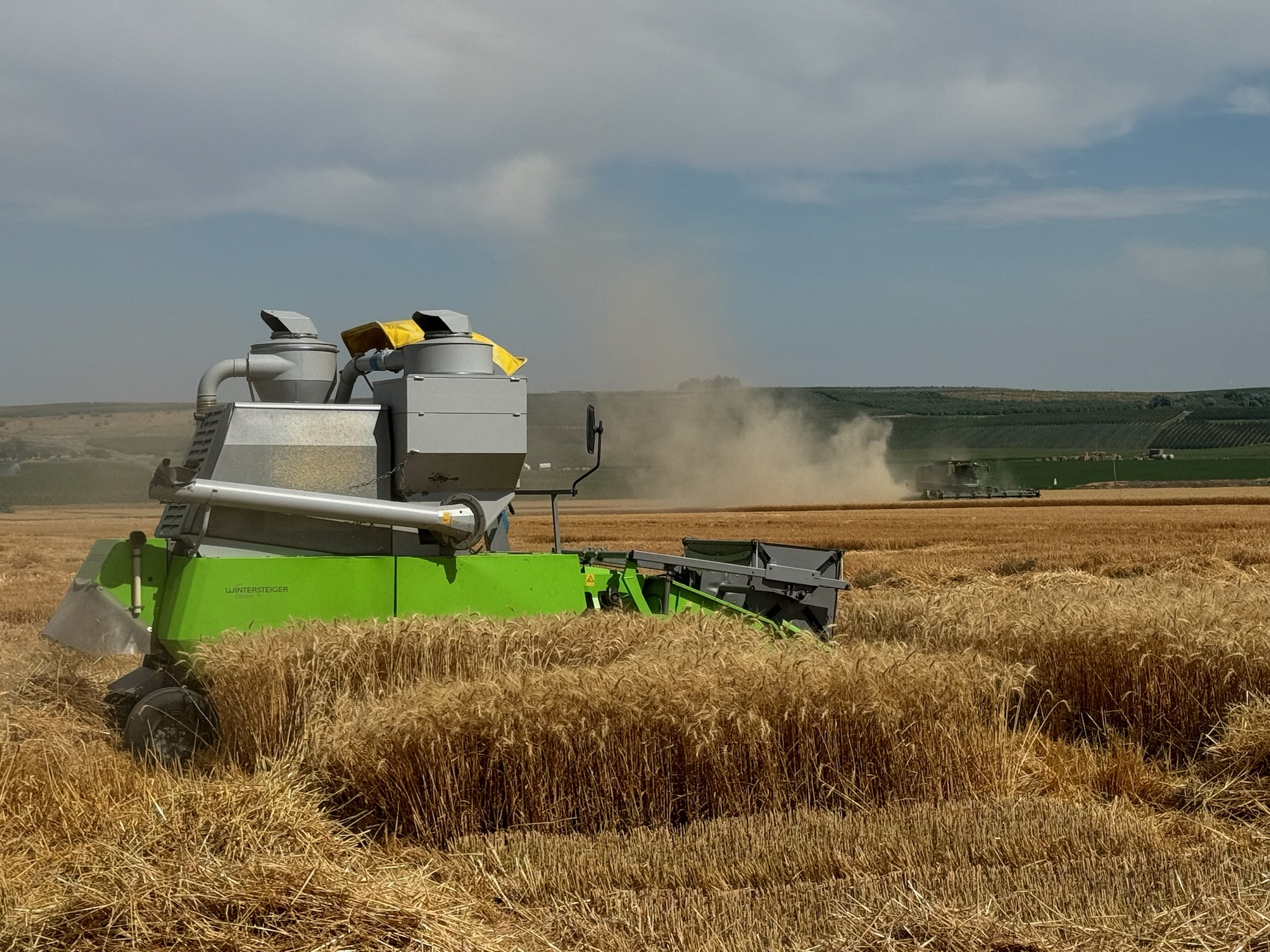
WSU Cereal Variety Testing Program Harvest Wrap-Up and Start of Winter Planting

Evaluating fluridone for Italian ryegrass and downy brome control
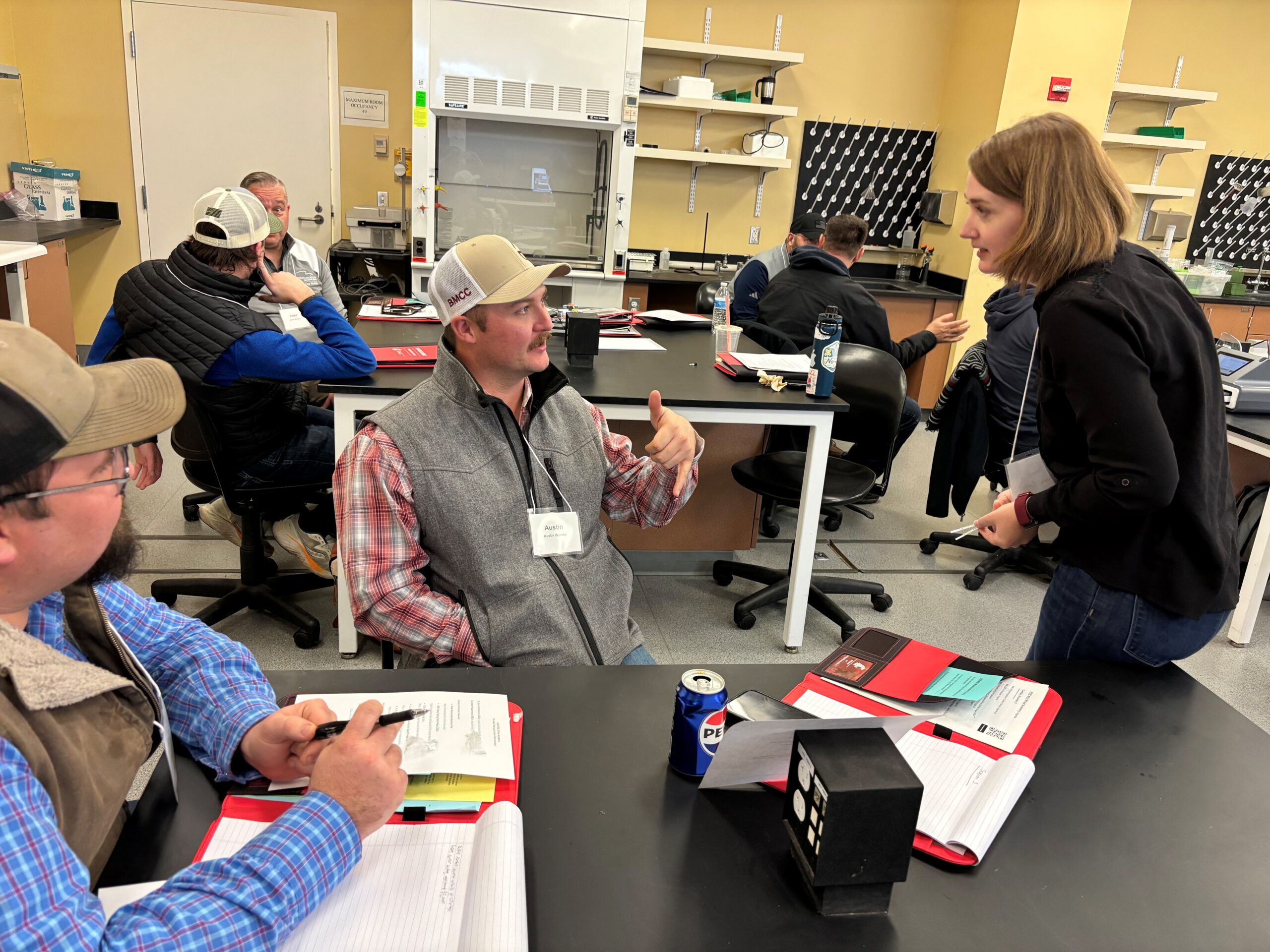
WSU Wheat Academy: 10 Years of Educating Wheat Growers and Crop Consultants

2026 Variety Testing Summaries: Winter, Low Rainfall Zone
10 Things You Can Do Right Now to Improve Your Farm’s Bottom Line
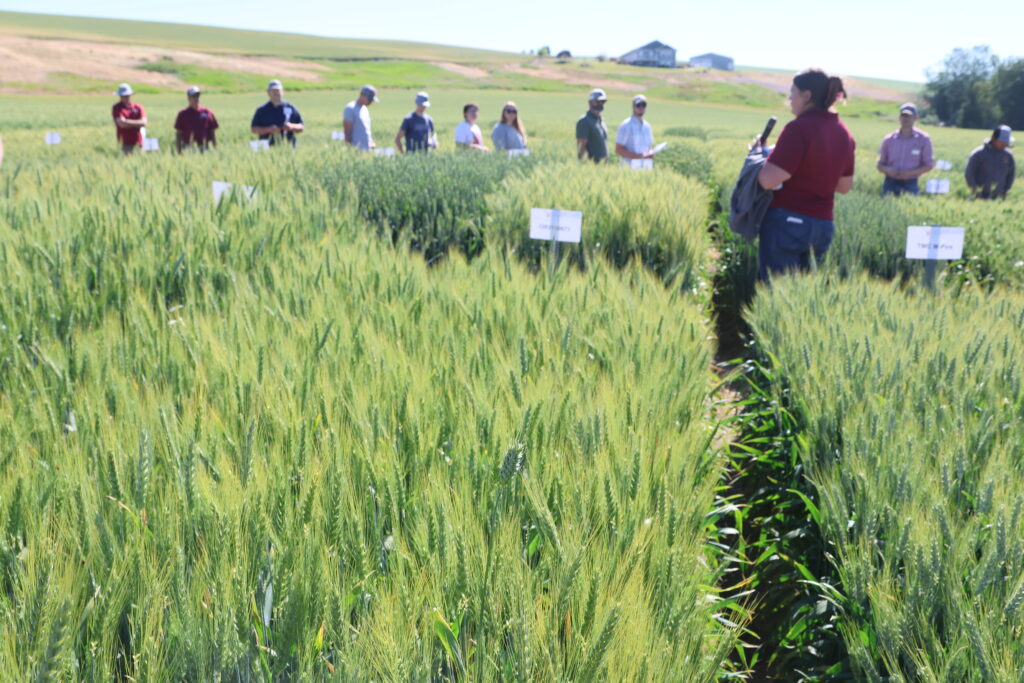
Field Tour Season Wraps Up with Harvest Well Underway
New Tools and Insights for Managing Falling Number in Wheat
High yield, low protein. What to know.
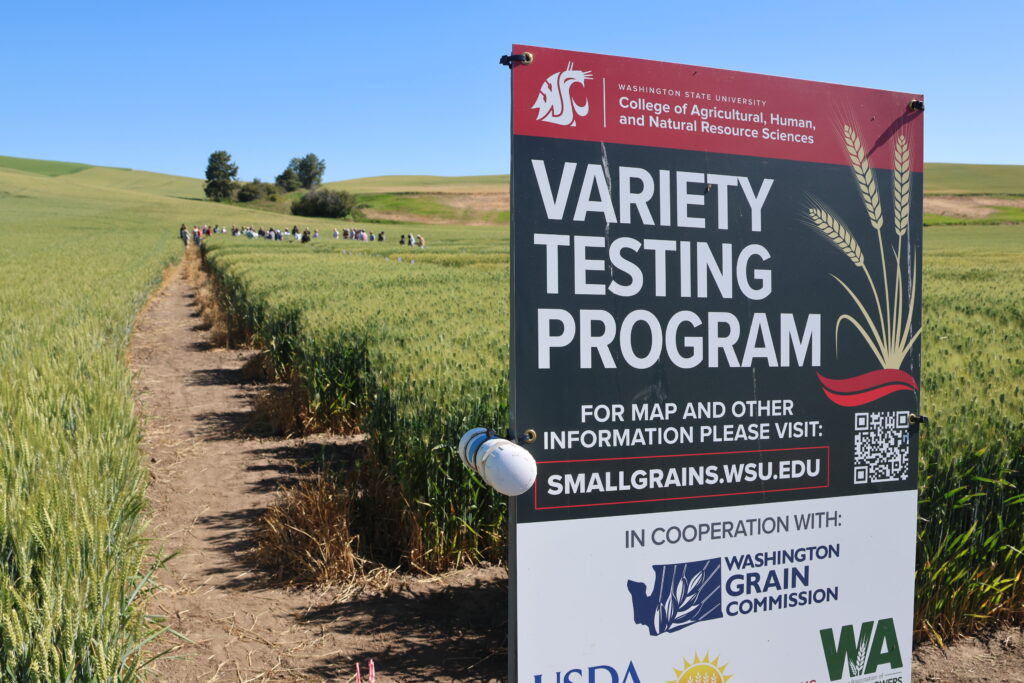
Crop Tour Season in Photos!
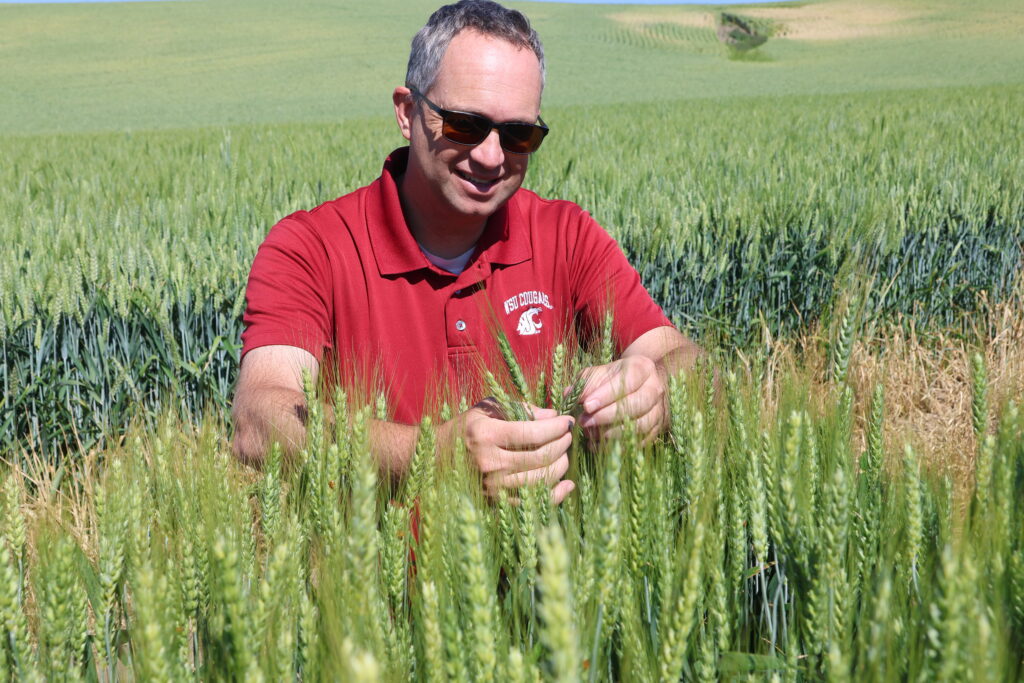
Spillman Farm Field Day Returns to the Palouse
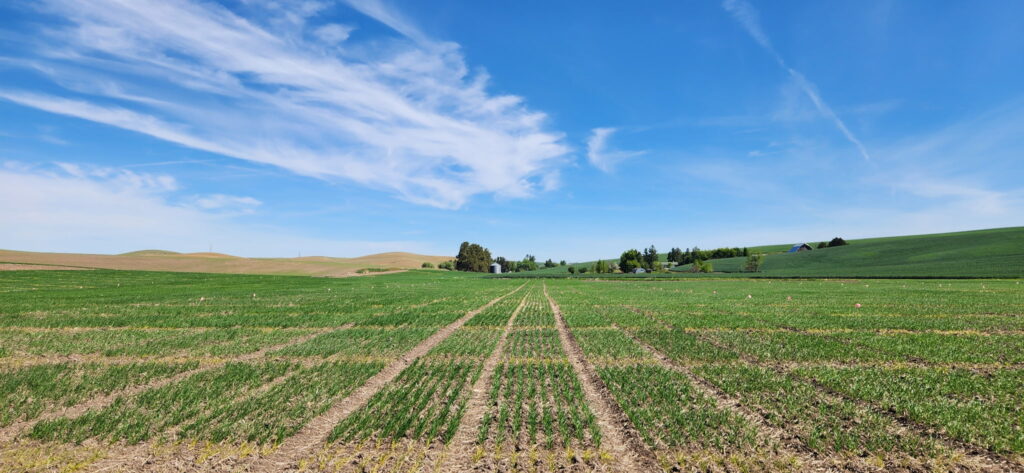
2026 Spring Variety Trials Planted in 11 Locations
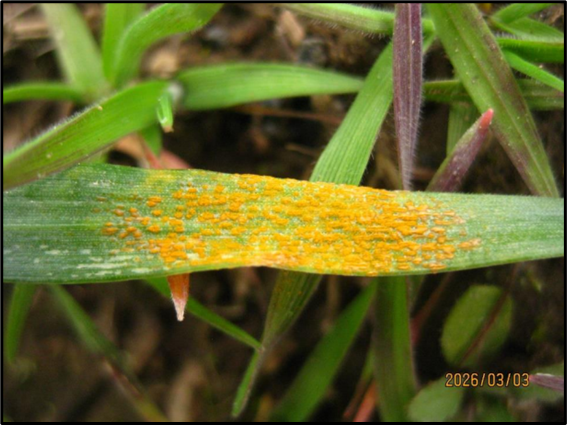
High-Temperature Adult-Plant Resistance: How Warm is Warm Enough?
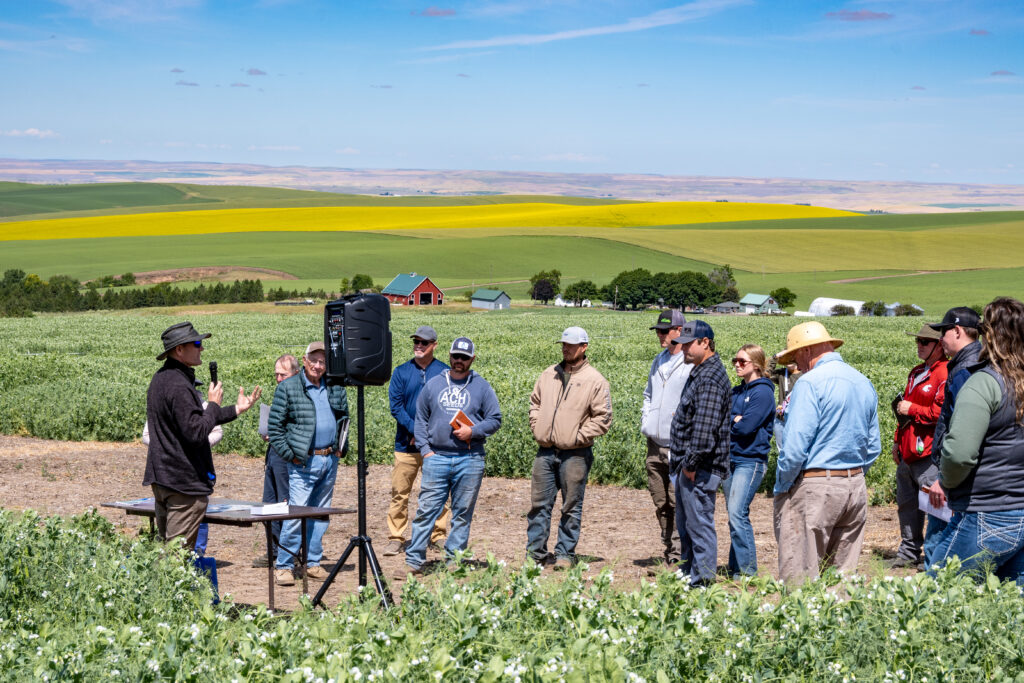
PNW Crop Tours May 29-July 3
2025 Spring and Winter Variety Trial Data Now Available
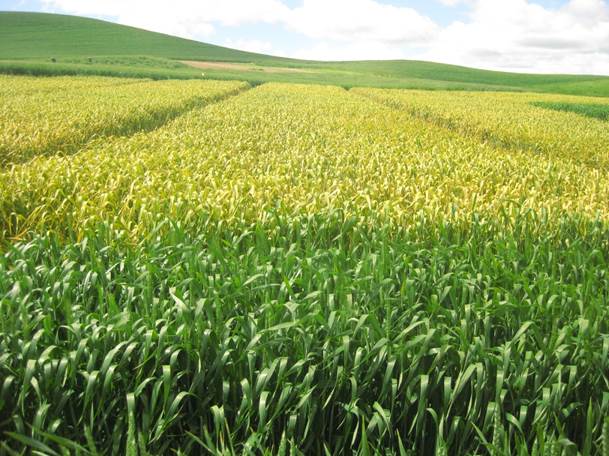
Stripe Rust Forecast Still Indicating Severe Epidemic
Emerging Technologies for Making Nitrogen Fertilizer On-Farm
Beginning the 2026 Winter Wheat Variety Trials: Maps, Plot Schematics
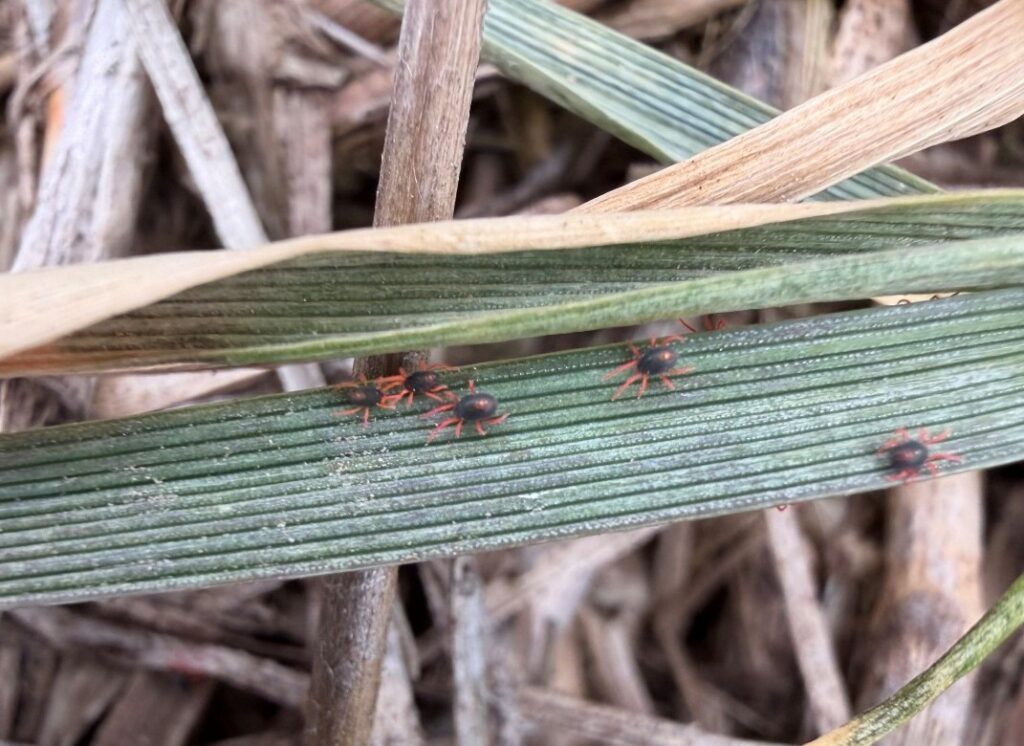
Be on the Lookout: Winter Grain Mite Spotted in Fields
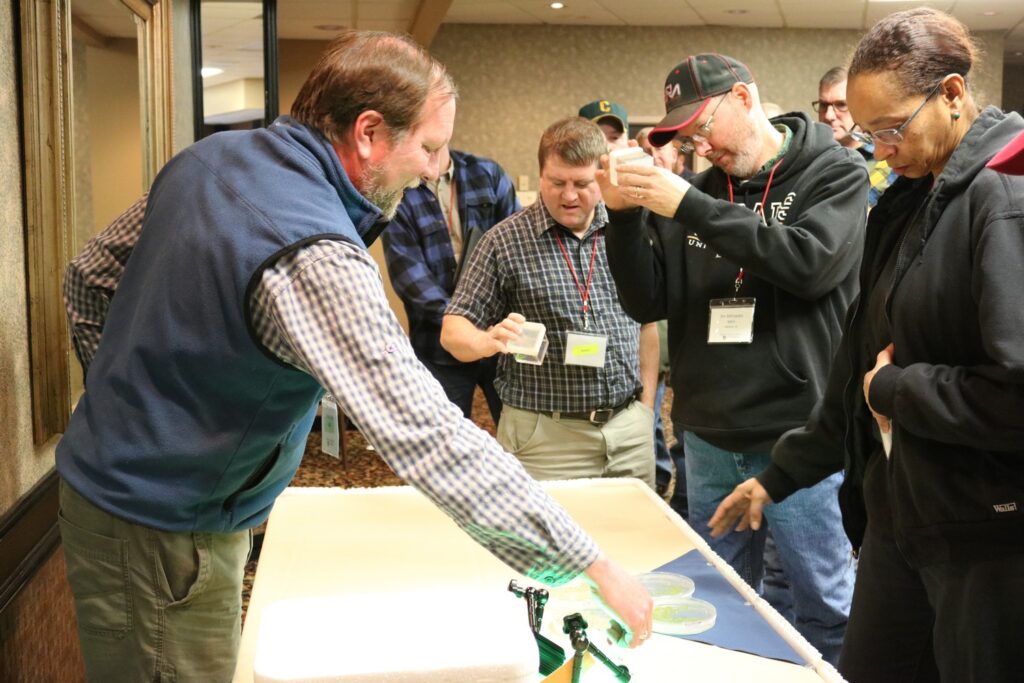
Upcoming Local Educational Events from the Dryland Cropping Systems Team
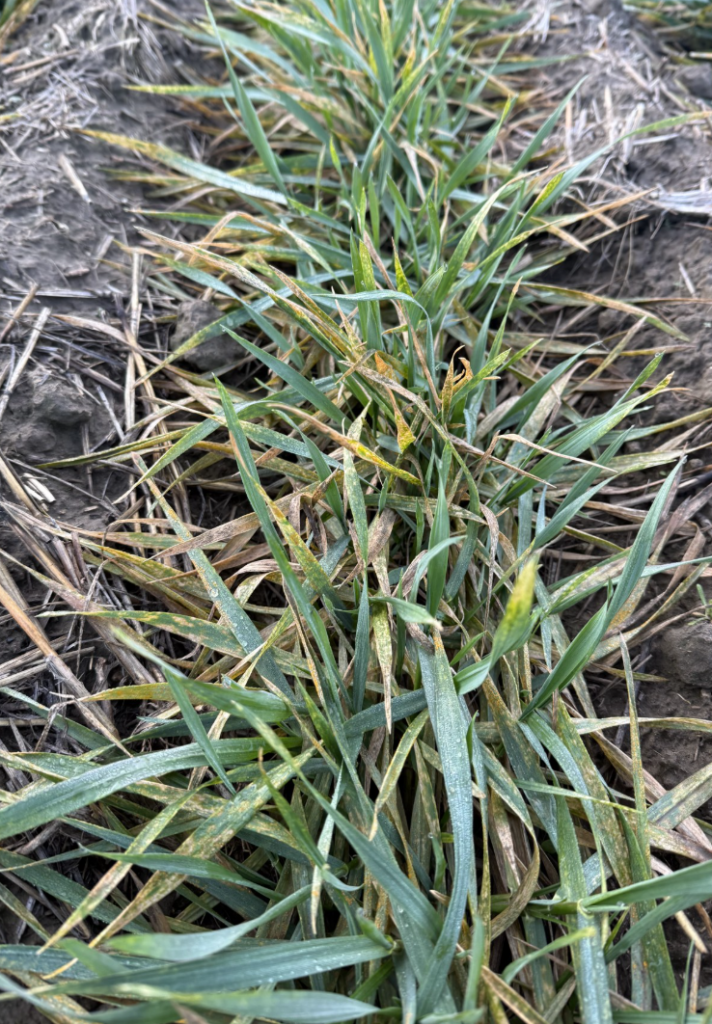
Stripe Rust May Reach Epidemic Levels in 2026
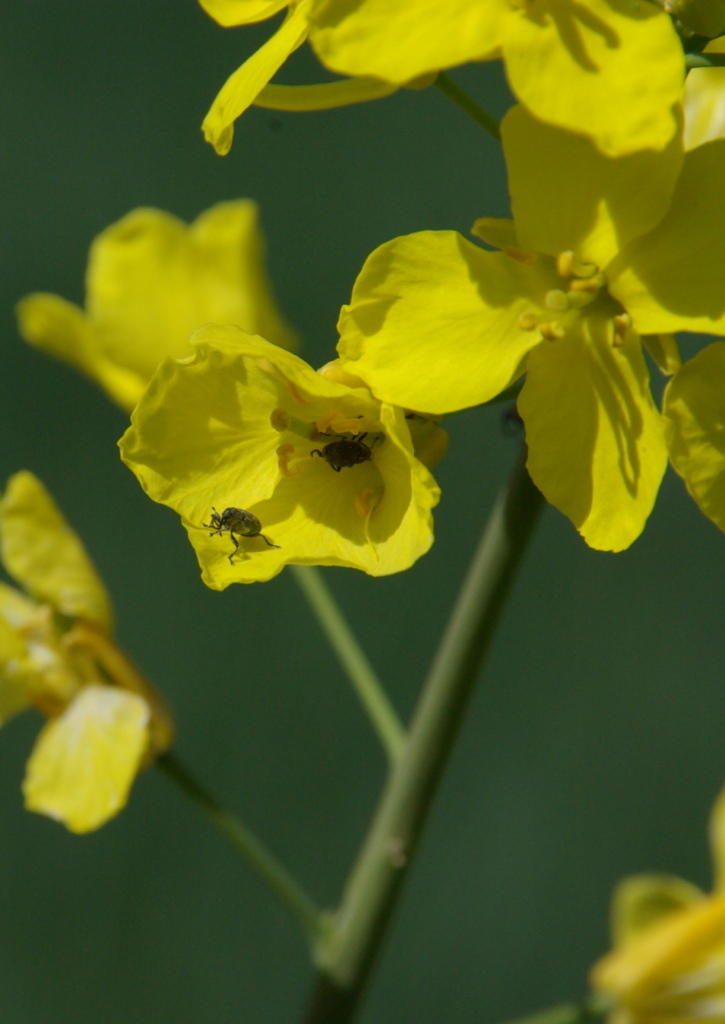
Aphids, Weevils, and Beetles—Oh, my!
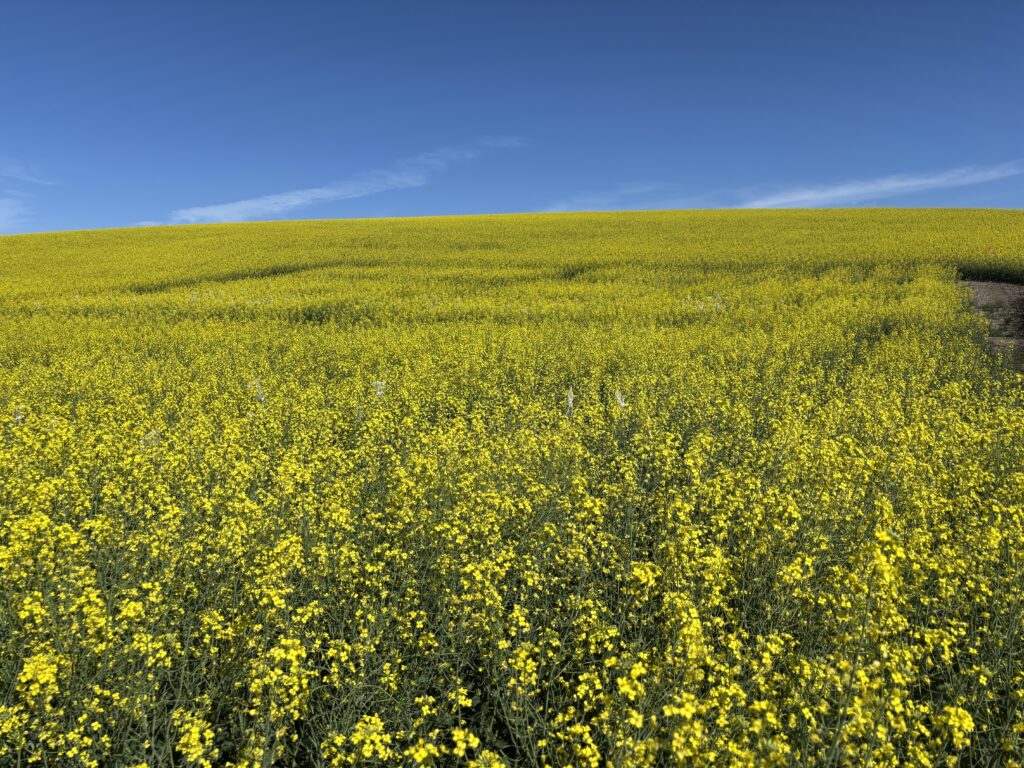
The performance of canola varieties at field scale in 2025
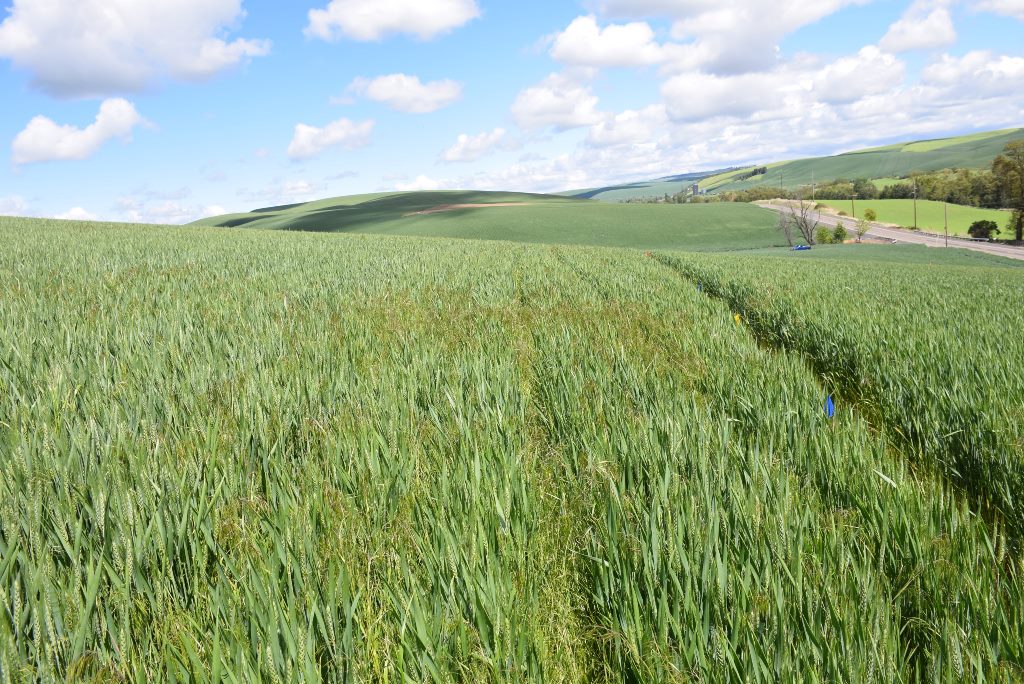
Results of the 2025 Weed Control Field Studies Conducted Across Eastern Washington
New and Updated Publications

Have You Seen Me? Identifying Soilborne Wheat Mosaic Virus (SBWMV)
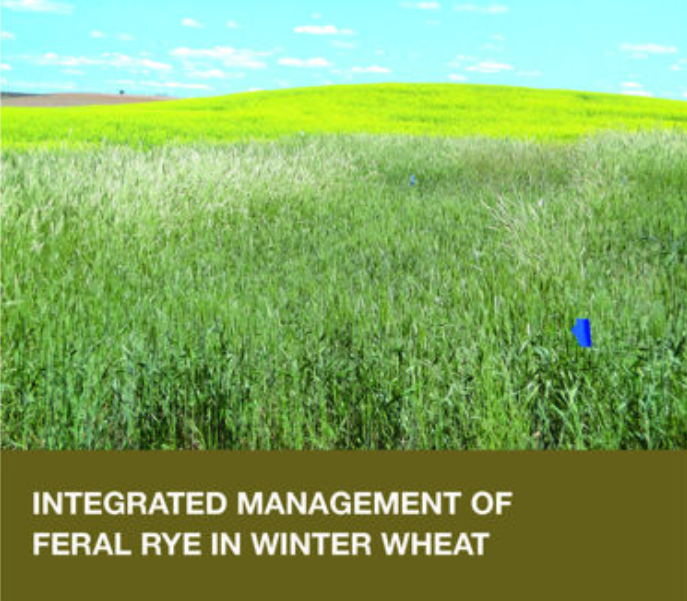
Integrated Management of Feral Rye in Winter Wheat
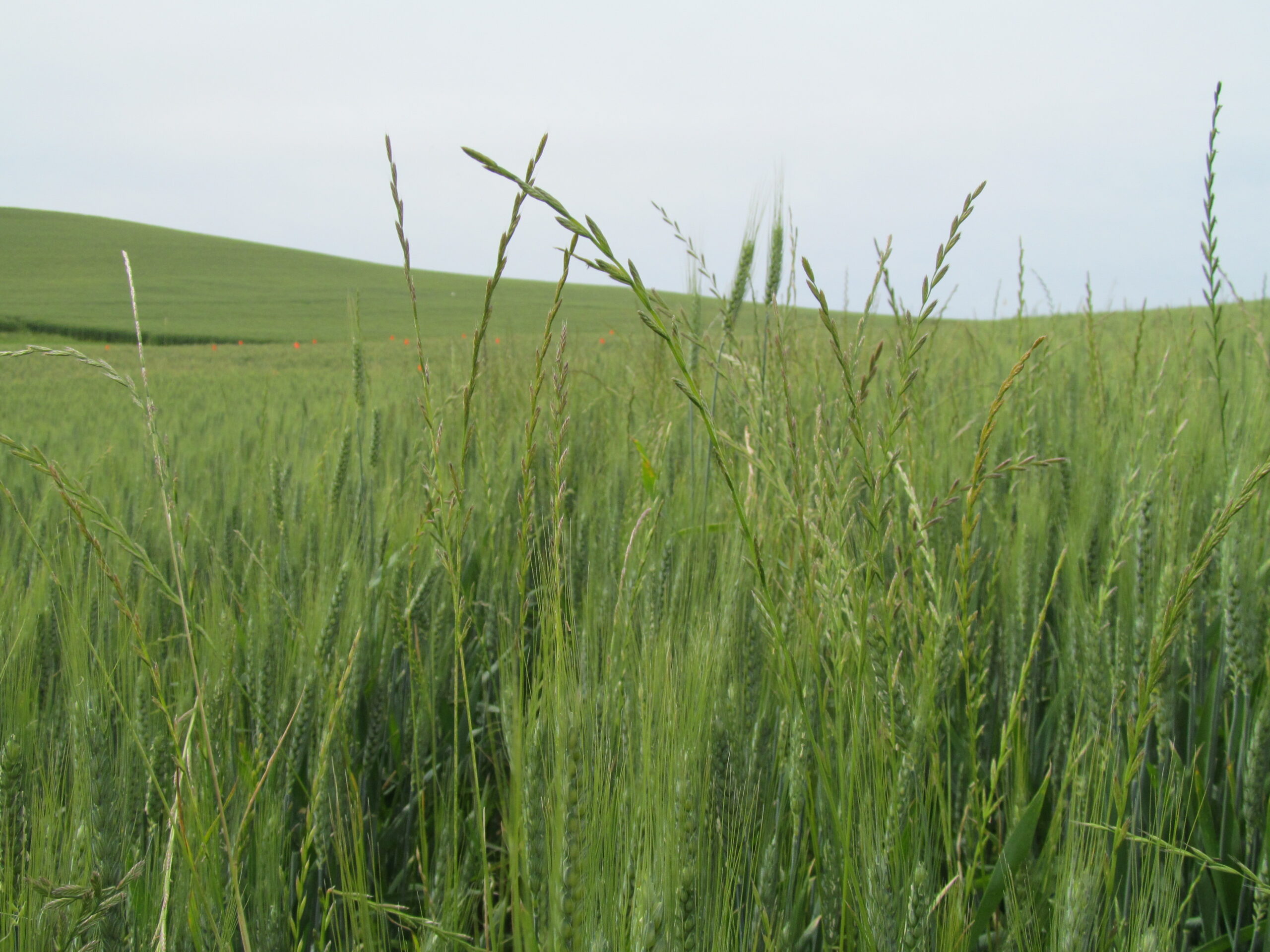
Italian Ryegrass Management in Inland Pacific Northwest Dryland Cropping Systems
Current Wheat Growth FieldCam
Join Our Newsletter
Stay up-to-date with all things Small Grains by subscribing to our newsletter. Enter your contact information and select “Smallgrains” in the drop down list.
Pesticide Labels Are Changing
The Environmental Protection Agency (EPA) regulates pesticides because their use can affect animals and plants (or their habitat). Farmers and applicators should expect to see some new application requirements on their pesticide labels to comply with the EPA Endangered Species Act.
- What You Need to Know About Pesticides and the Endangered Species Act
- New rules for herbicide applications are coming, are you prepared?
- Pesticides and the Endangered Species Act: What You Need To Know Q&A (pdf)
- New Compliance Requirements Coming to Pesticide Labels
- Making Sense of the New EPA Mitigation Requirements for Pesticide Applicators

Tools & Calculators
Several tools and calculators have been temporarily removed to be redesigned for better accessibility and ease of use. If you don’t see the tool you’re looking for below, we have a few tools available as raw file downloads in our archive. Please subscribe to the “Smallgrains” listserv to be notified when more tools become available.

Variety Selection Tool

NEW! Lime Requirement Estimate Calculator
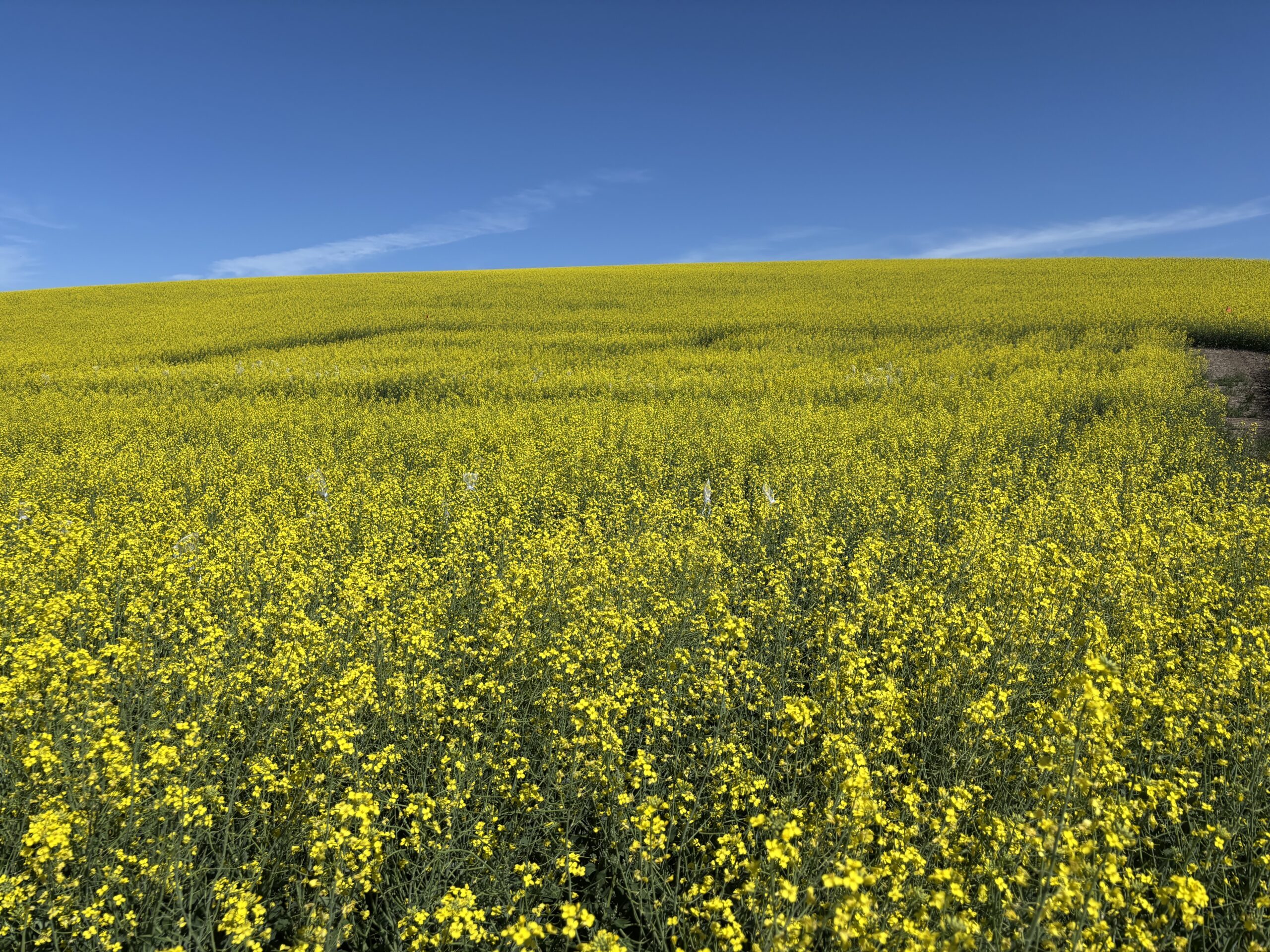
NEW! Spring Canola Nitrogen
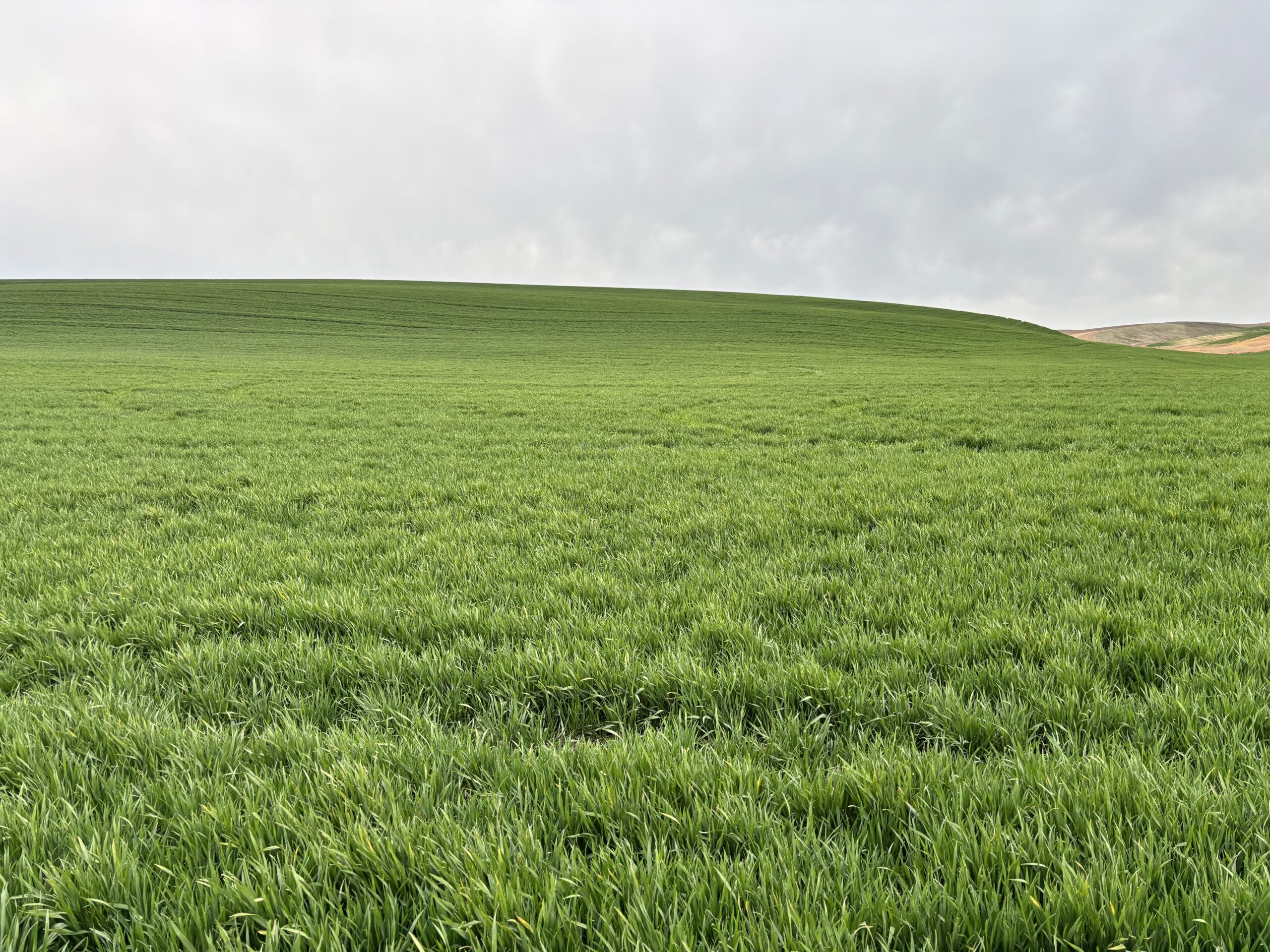
NEW! Dryland Wheat Nitrogen Recommendation

Growing Degree Day Calculator

WSU Pesticide Information Center OnLine (PICOL) Database
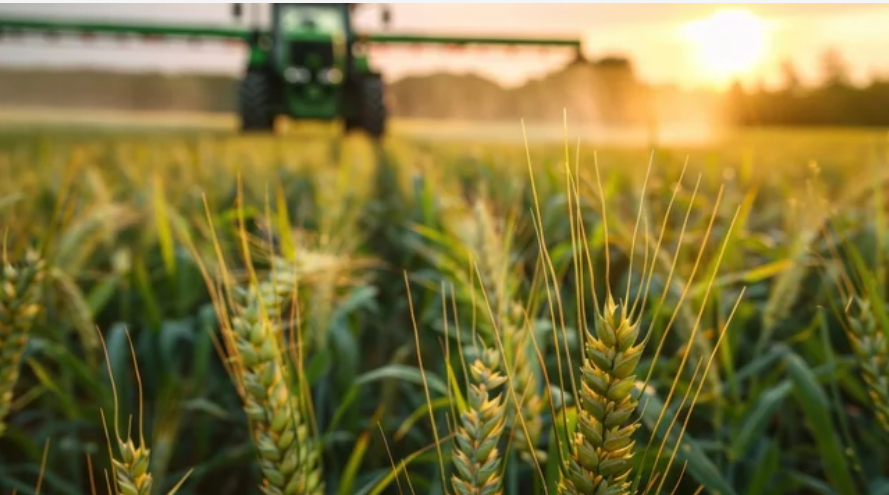
AWN Spray Guidance Tool
Post-Harvest Hard Wheat Performance Evaluation
NEW! Postharvest Wheat Nitrogen Efficiency

WSU Herbicide Resistance Testing
Send in your samples!


