Detection and Management Tools for Low Falling Number in the ‘Grain Chain’
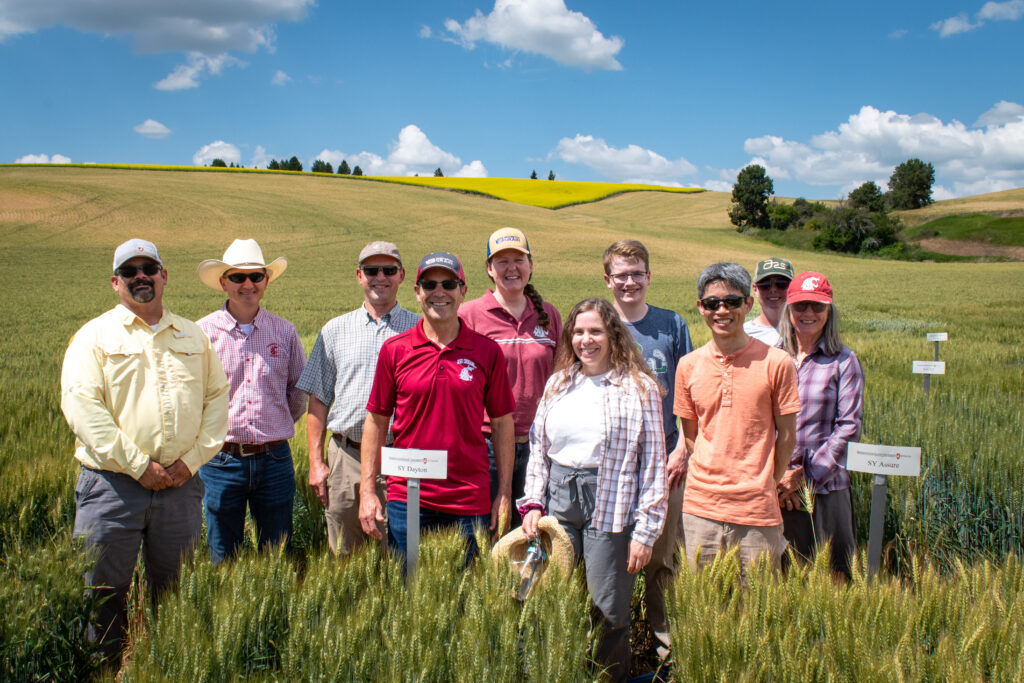
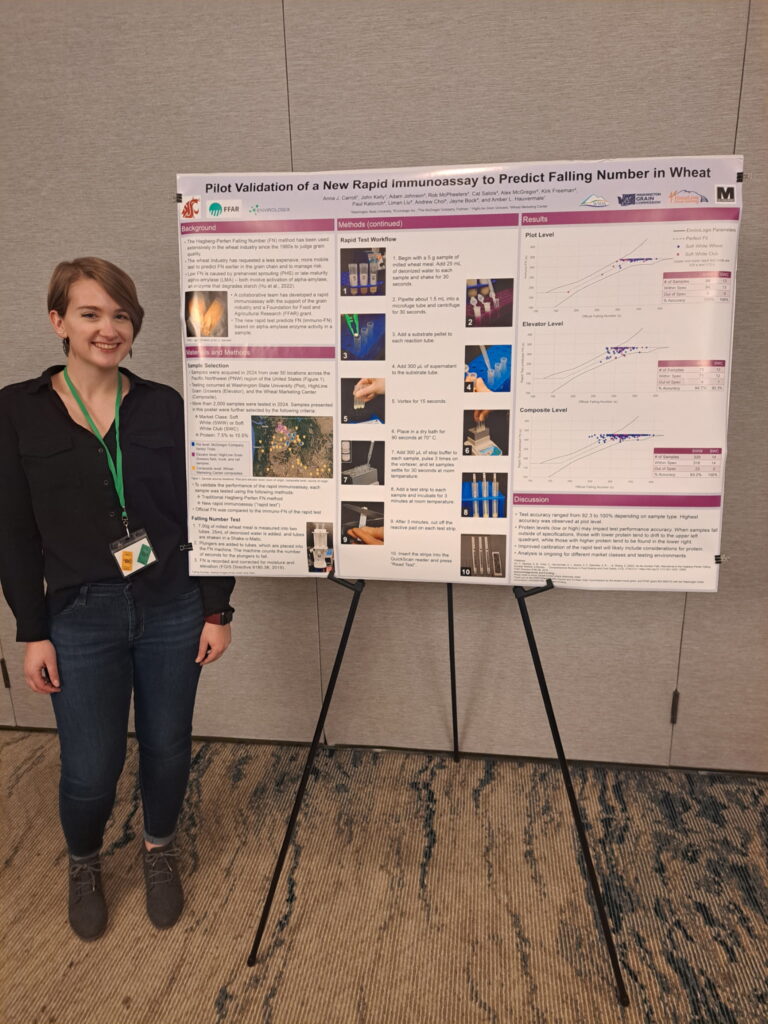
Funded by the Foundation for Food and Agriculture Research (FFAR), this project is a widespread collaborative effort between university researchers, industry partners, nonprofits, and growers. Together, we are working to develop and validate tools, including a wheat quality test, that are more accessible to the wheat industry.
On this webpage you will find links to information about the work being done on this project, including popular press articles, research articles, extension articles, podcast interviews, and more! We will be releasing regular updates about the status of the development and testing of the rapid test, as well as education and outreach efforts.
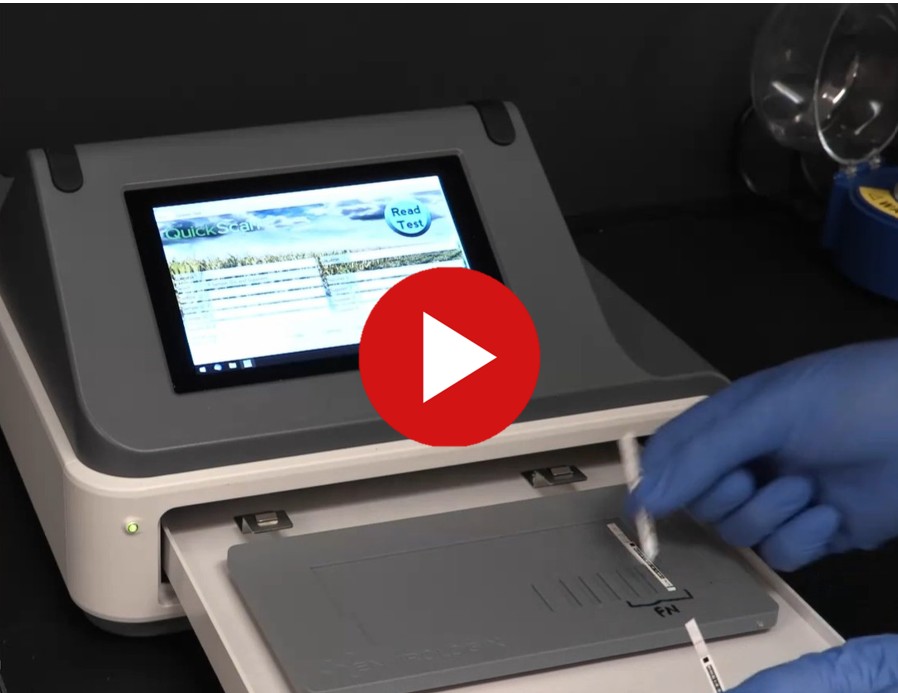
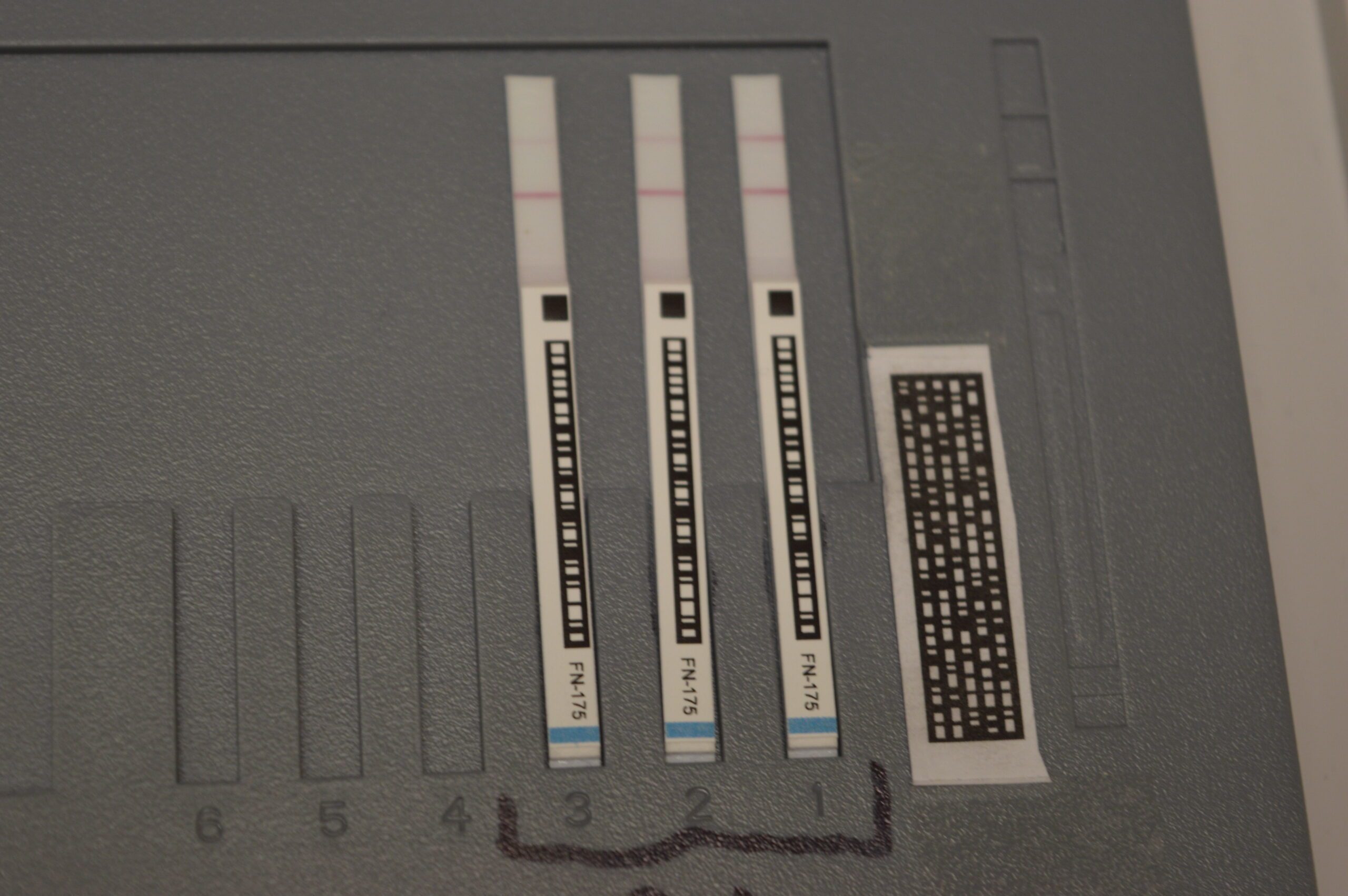
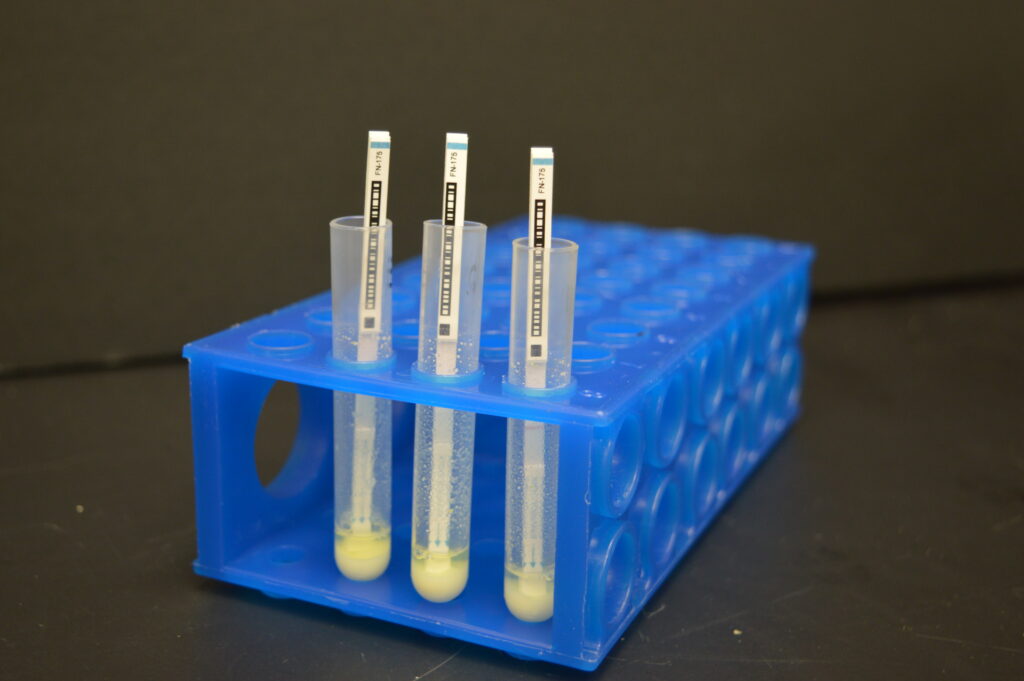
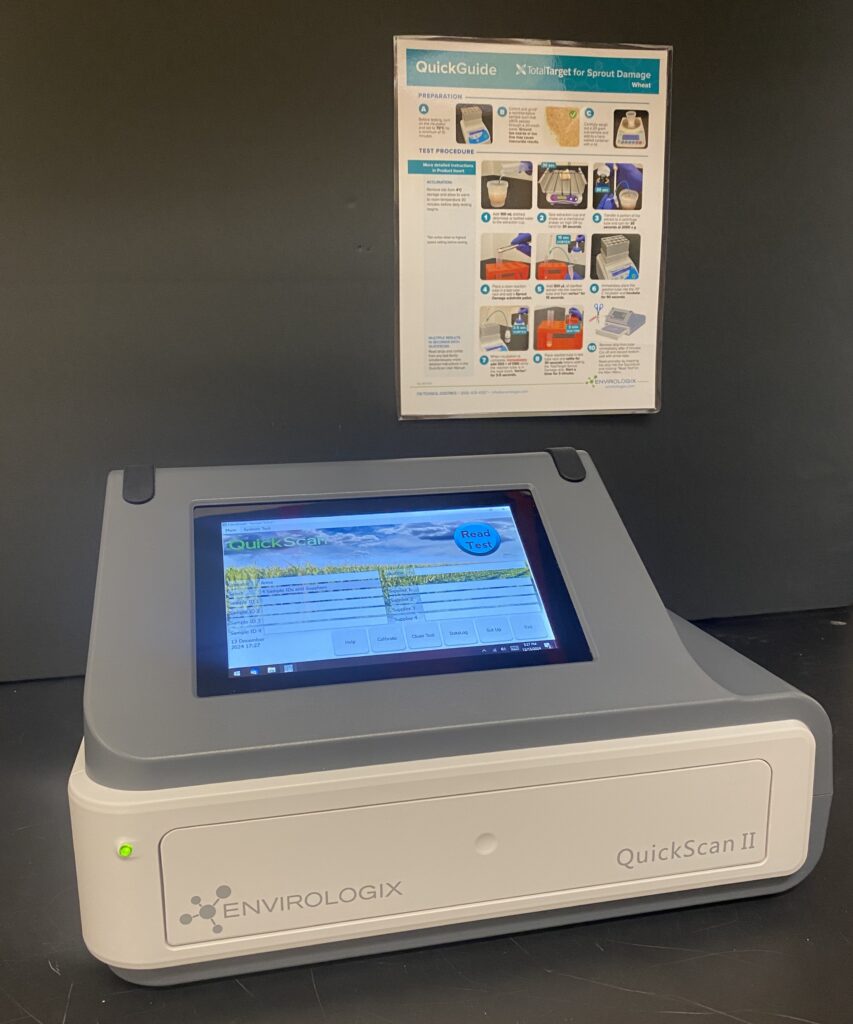
Worldwide, the wheat industry experiences substantial financial losses due to low falling number (FN), and the frequency of low-FN events is increasing. The FN test is the standard in the industry, but it is slow and uses expensive and bulky equipment that makes it unrealistic to run on-farm. A less expensive and more mobile-ready testing setup is a great supplement that opens the door to opportunities for earlier testing. Testing on-farm or at elevators will minimize disadvantageous mixing of sound and unsound grain, and the speed of testing will be helpful to breeders who have many lines to test.
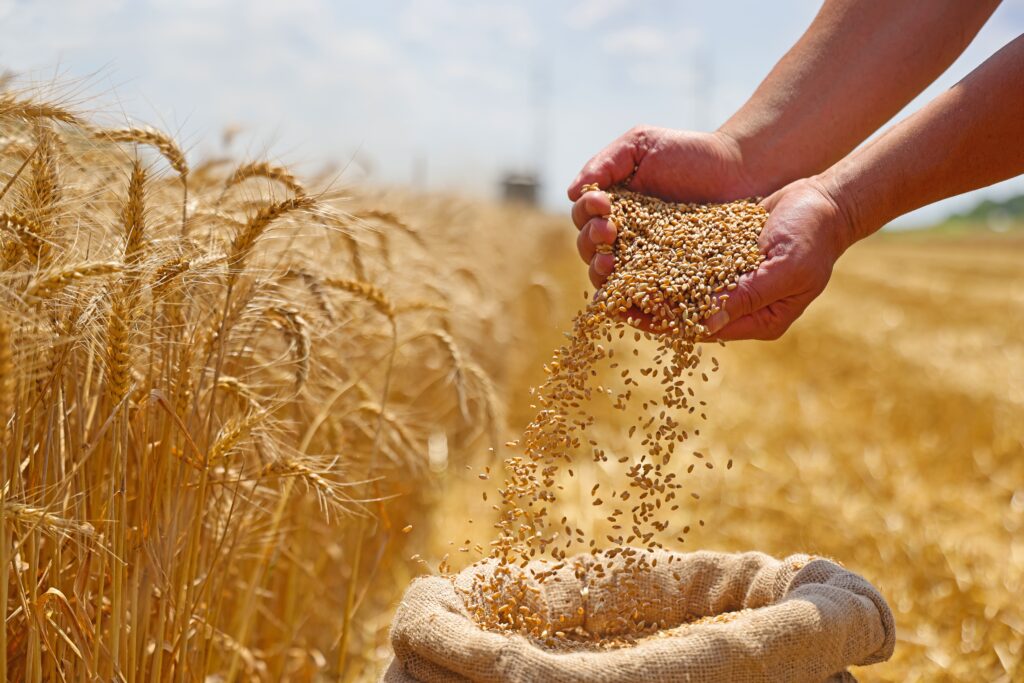
There are four known causes of low falling number in the Pacific Northwest. Low falling number (LFN) in wheat can cause downstream product quality issues that result in significant economic losses for producers.
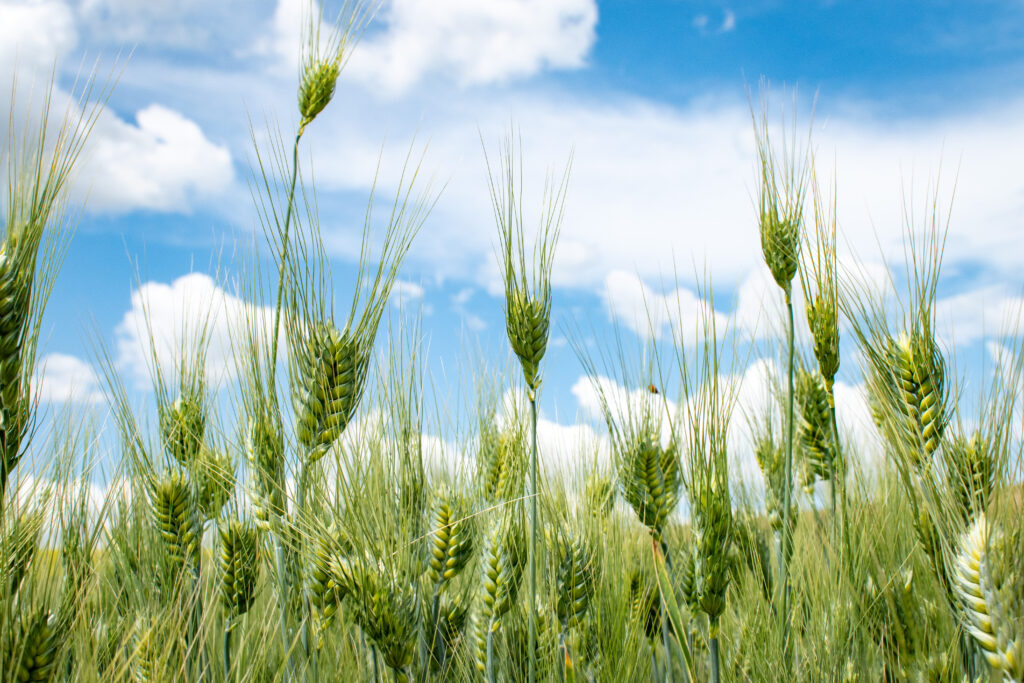
Green kernels have a high risk of causing low falling number. A little goes a long way with green kernels. Just a few green kernels can reduce the falling number for an entire grain lot. Waiting until all kernels are fully ripe before harvest is the best as there are no post-harvest management options for green kernels.
Preharvest sprouting brings a high risk of causing low falling number. PHS is caused by moisture after the grain has matured before harvest has been completed. Black point and visible sprouting are two signs of PHS damage, although damage may not be visible. Growing tolerant varieties is the best management option to reduce preharvest sprouting.
Late-maturity alpha-amylase has a moderate risk of causing low falling number. LMA is caused by a cold shock at the soft dough stage of grain development and shows no visible signs of damage. Growing tolerant varieties is the best management option. Delaying harvest (when no rain is in the forecast) and storing grain post-harvest can improve the LMA-impacted grain over time.
Non-alpha-amylase induced low falling number brings a moderate to low risk of causing low falling number. NAIL is caused by stress early in grain development shortly after anthesis is complete. There are no obvious signs of NAIL, however low protein content, 8% or less, is common with NAIL. Growing tolerant varieties is the best management option. Post-harvest blending may be an option since NAIL does not have high alpha-amylase.


Share the news and provide us with your feedback! We aim to foster reciprocal relationships with people from all links of the grain chain (growers, warehousemen, elevator operators, seed sellers, and other industry stakeholders) through education, outreach, and receiving feedback on what is most important to our end users. Education efforts will include information about the differing impacts of LMA and PHS on grain quality and providing training for the next generation of wheat professionals.