
What’s
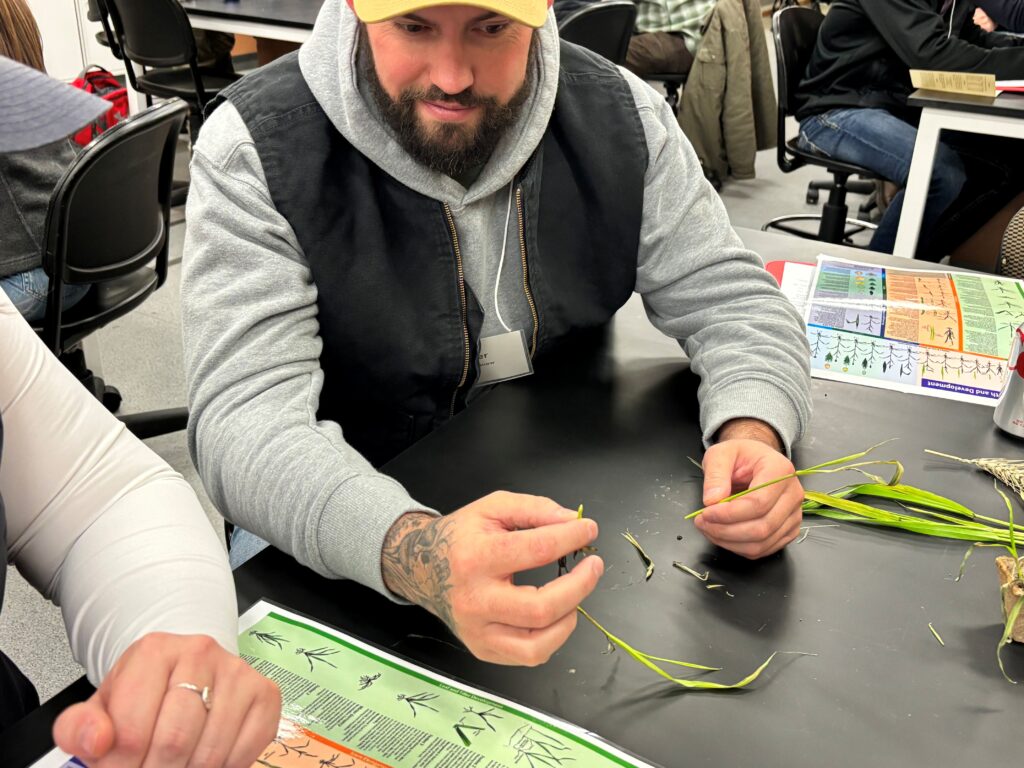
WSU Wheat Academy: 10 Years of Educating Wheat Growers and Crop Consultants
Register now for the 2026 Wheat Academy.
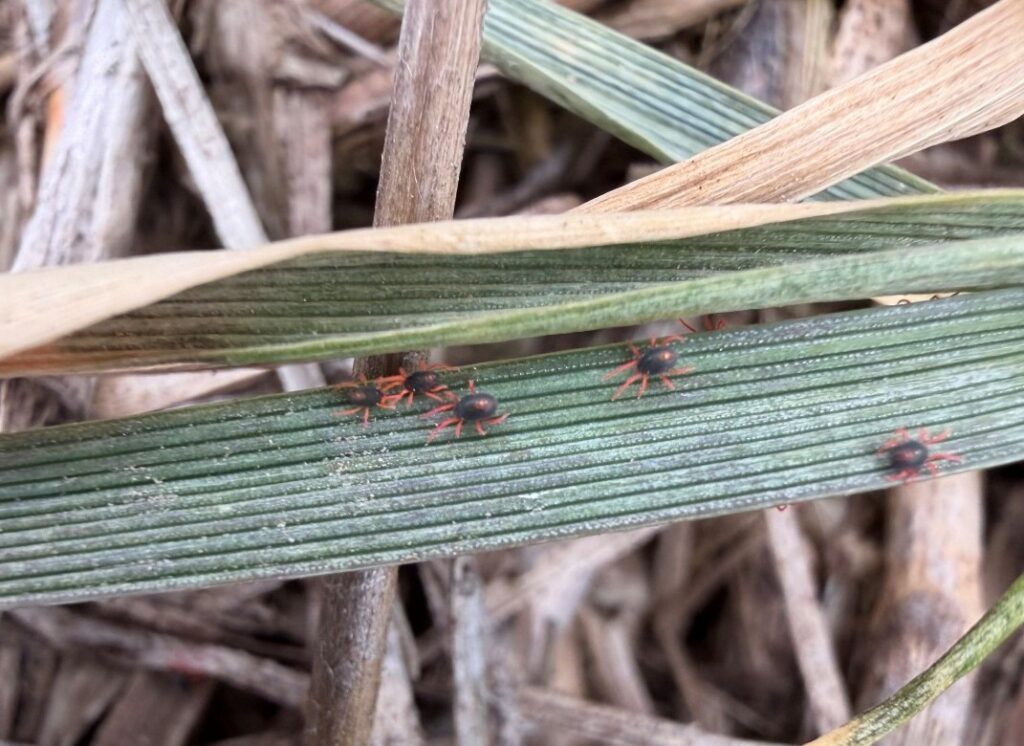
Be on the Lookout: Winter Grain Mite Spotted in Fields
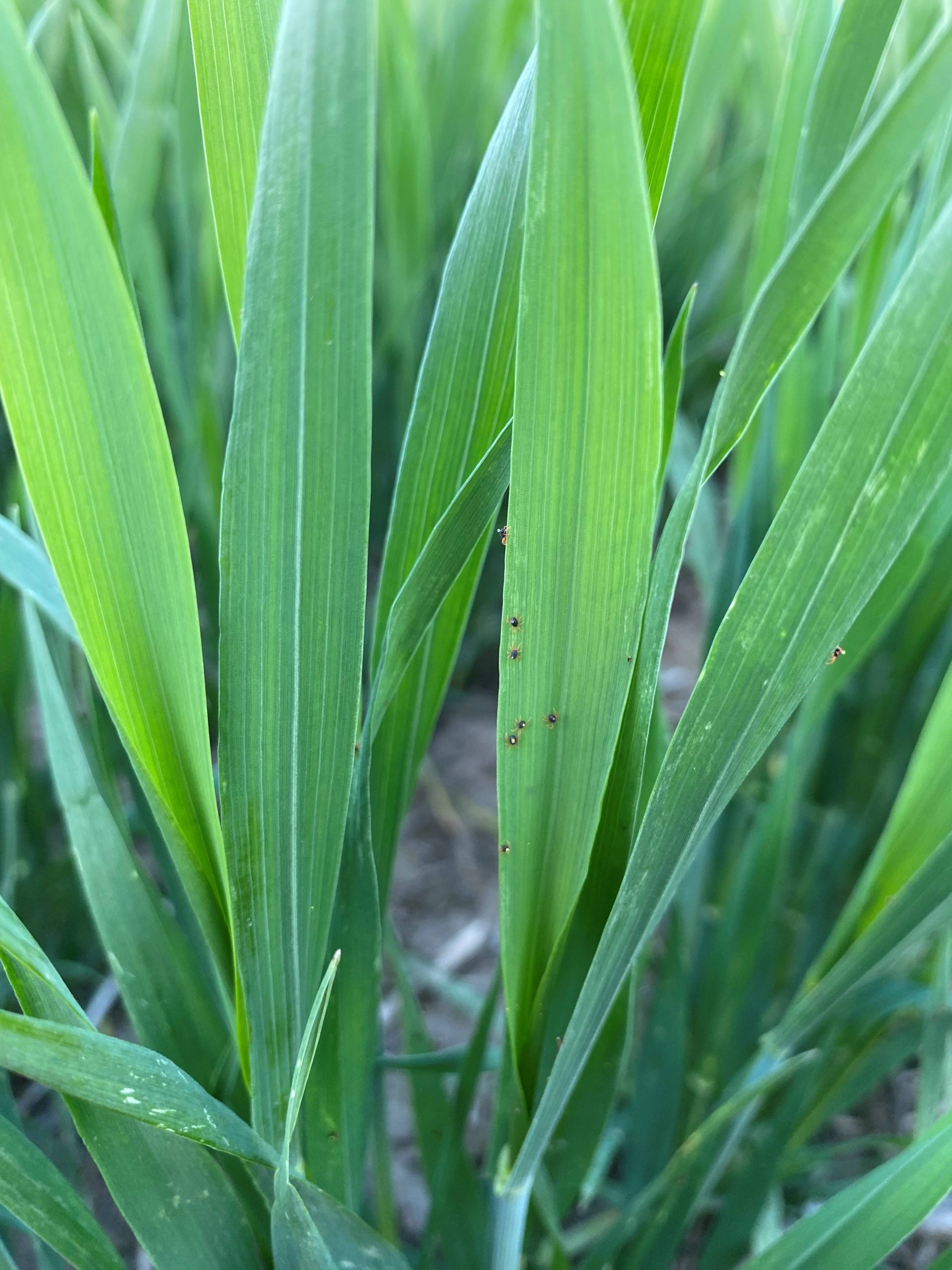
Wheat grain mites are causing damage this warm, wet winter.
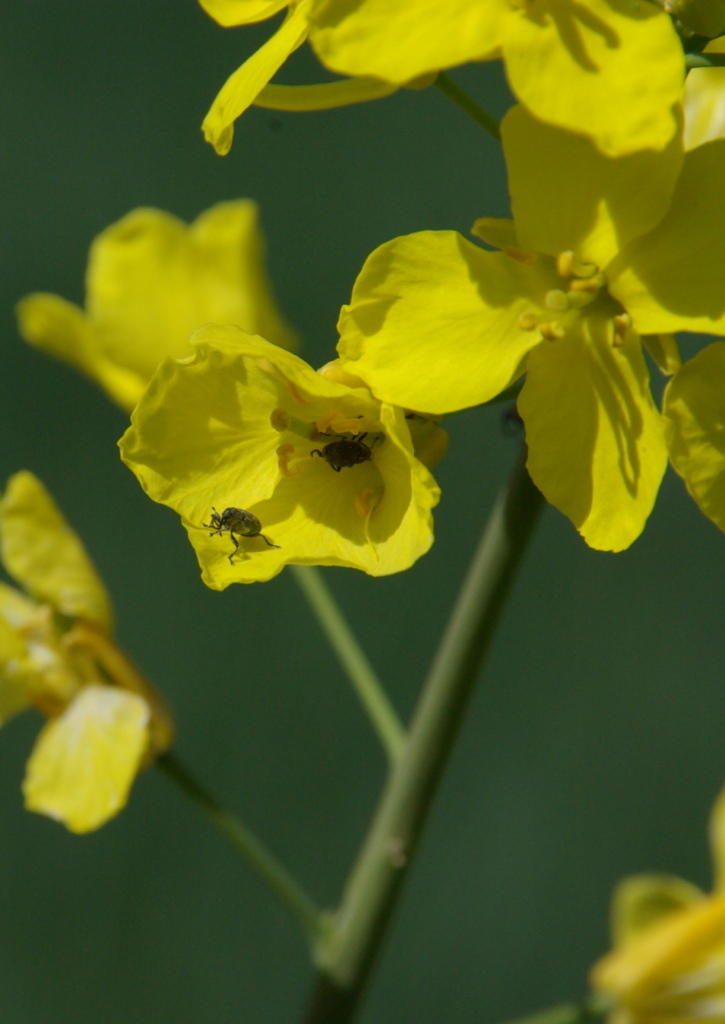
Aphids, Weevils, and Beetles—Oh, my!
As canola acreage in central and eastern Washington continues to increase, so does the threat of crop damage caused by common canola insect pests.
Pesticide Labels Are Changing
The Environmental Protection Agency (EPA) regulates pesticides because their use can affect animals and plants (or their habitat). Farmers and applicators should expect to see some new application requirements on their pesticide labels to comply with the EPA Endangered Species Act.
- What You Need to Know About Pesticides and the Endangered Species Act
- New rules for herbicide applications are coming, are you prepared?
- Pesticides and the Endangered Species Act: What You Need To Know Q&A (pdf)
- New Compliance Requirements Coming to Pesticide Labels
- Making Sense of the New EPA Mitigation Requirements for Pesticide Applicators


Featured Publication
Hessian Fly Management in Wheat
Found in major wheat-producing regions, this damaging insect pest poses serious risk to wheat farmers—learn to recognize, sample, and manage it here.
In the News
Wireworm problem greatly reduced, longtime WSU researcher says | Capital Press
WSU Extension’s Aaron Esser credits improved management with minimizing wireworms as a pest in cereal grains.
WHEAT

Armyworms
Armyworms can be problematic pests in cereal grains. Armyworms are moth caterpillars that vary in color (gray or green) with a distinct yellow, white, and brown strip along the body. The adult is a yellow-brown moth. Moths emerge in spring months and lay eggs on wheat or barley. Larvae developing from these eggs then feed on wheat from May into the summer.
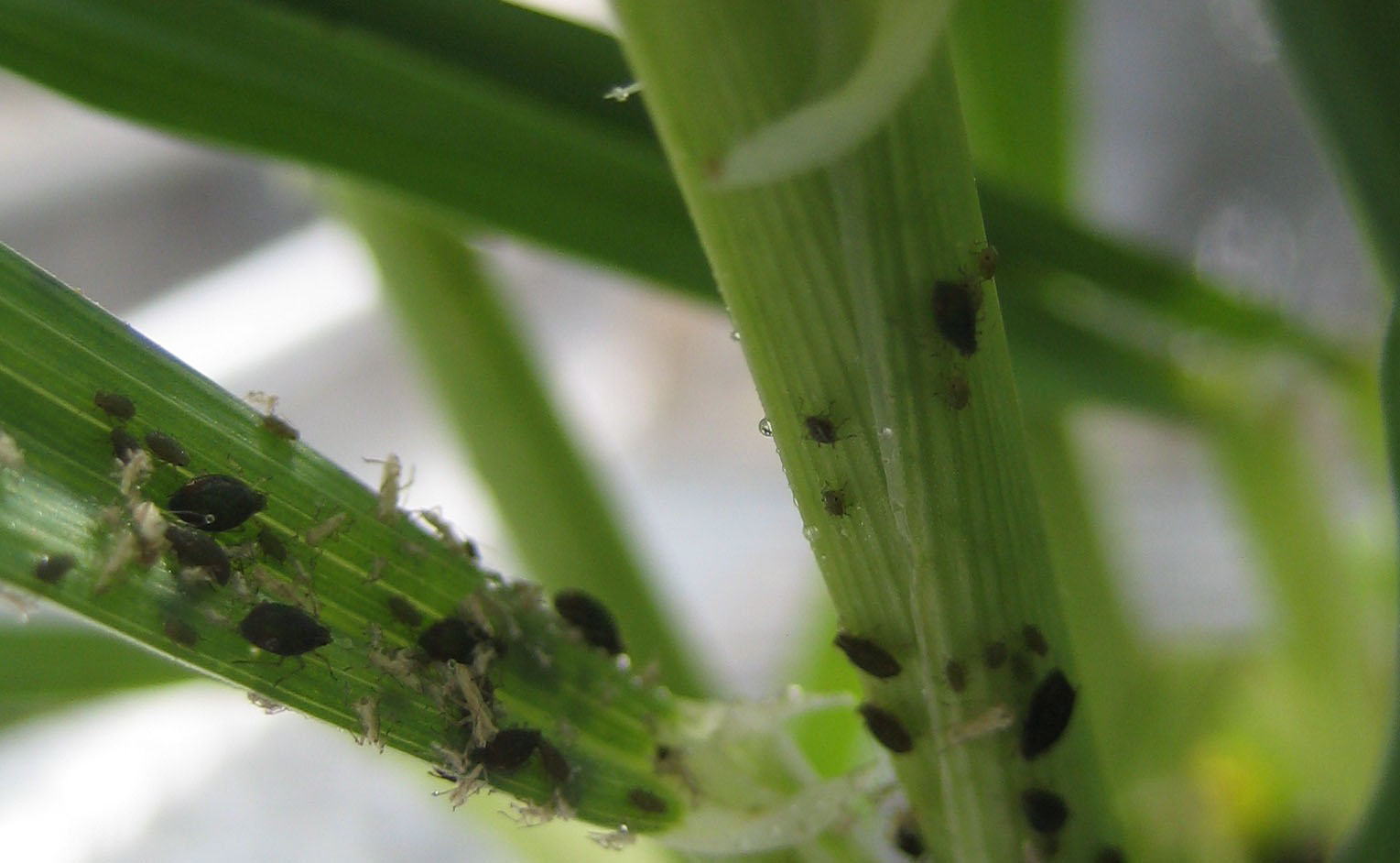
Cereal Aphids
Aphids can be problematic pests in wheat. There are several species of aphids in wheat fields. These include the English grain aphid and the bird-cherry oat aphid. Different species have different life cycles. Aphids do little direct damage to wheat plants but can be problematic due to transmission of viruses.
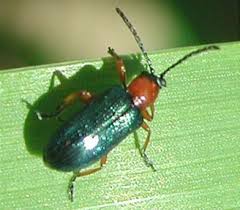
Cereal Leaf Beetle
The cereal leaf beetle can be a problematic pest in cereal. Cereal leaf beetles overwinter and emerge in the spring, where they can move into winter and then spring wheat. Larvae and adults can do significant damage to crops. Biological control has been particularly effective in reducing cereal leaf beetle populations.

Hessian fly
Damage caused by Hessian fly in spring wheat is becoming more frequent across parts of eastern Washington. Crop damage from this pest may include but not limited to: stunted plants, lodging (when plants are attacked after stem-elongation), aborted tillers, and/or whole dead plants.
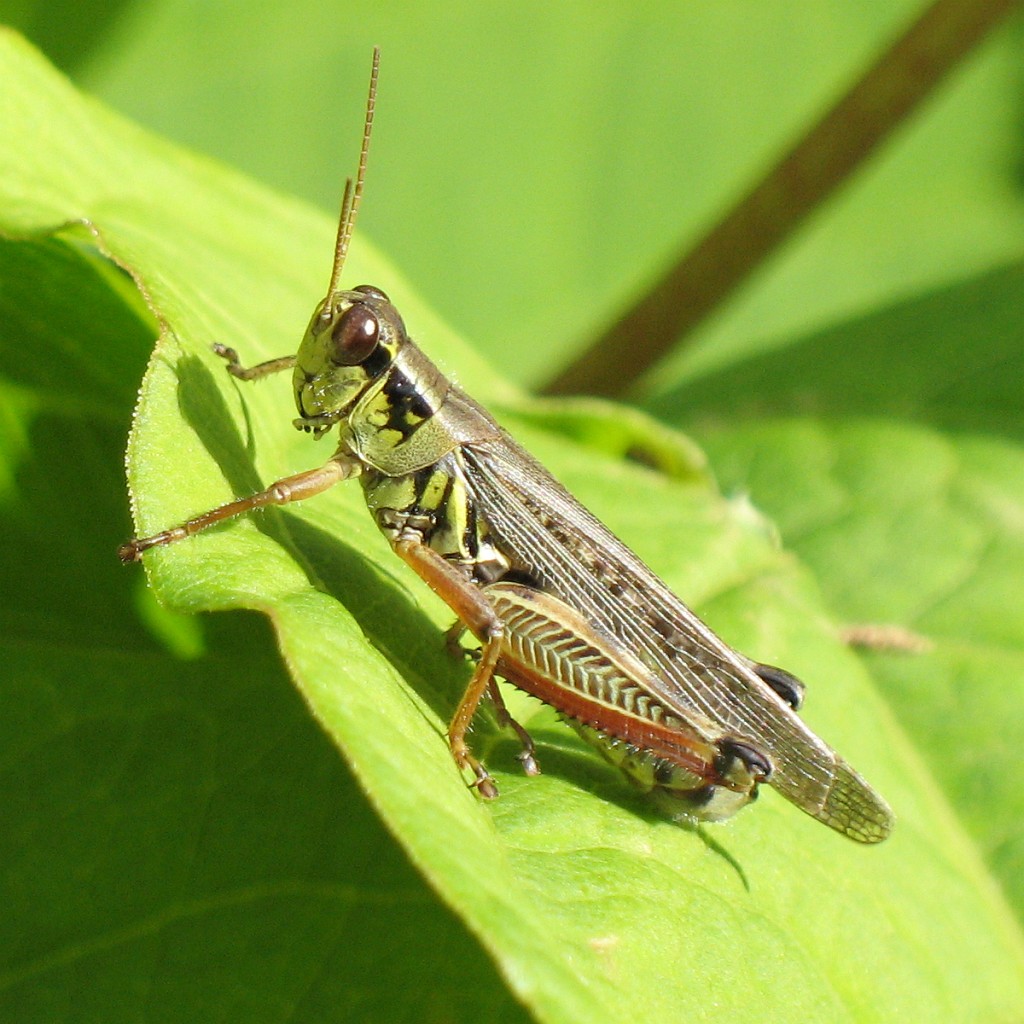
Grasshoppers
Grasshoppers are generalist feeders and will attack an array of plants. They may become more abundant in years when conditions are hot and dry. A reduction in natural vegetation can oftentimes make cultivated crops more appealing, such as canola. Both nymphs and adults can cause significant feeding damage, especially when feeding occurs on the developing or ripening pods.
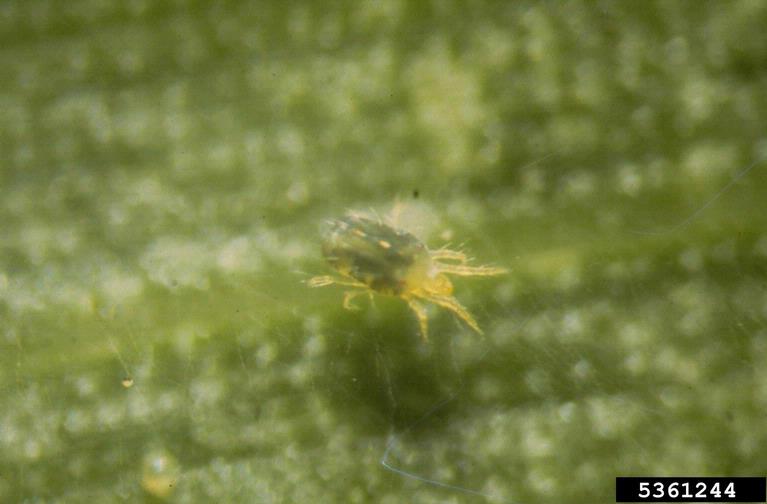
Mites
Mites are polyphagous, feeding on numerous different host plants such as oats, barley, spring wheat, winter wheat, corn, and other grasses such as barnyard grass. Because of their small size, mites can be spread by the wind. Fields with heavy infestations typically have a silver or gray coloration. Feeding damage causes reduced photosynthetic potential and reduced yield. The wheat curl mite is the only known vector of Wheat Streak Mosaic Virus (WSMV).

Wireworms
Wireworms are the immature larval stage of click beetles, and these beetles can spend several years in this larval stage feeding on germinating seeds and young seedlings, resulting in thin crop stands and lower yields.
CANOLA
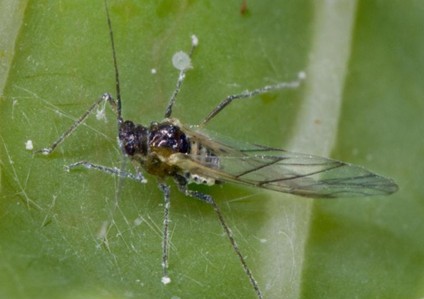
Cabbage Aphid
The cabbage aphid (Brevicoryne brassicae), is a destructive species of aphid. Canola damaged by aphids in the seedling stage appears stunted and is more susceptible to winterkill. These plants will have curled leaves with shortened nodes. The canola may exhibit a purplish tint associated with plant stress. Aphid populations that develop during early bloom and pod-fill can cause deformed, stunted or completely sterile pods. Black sooty mold is also associated with aphid colonies. Aphids have also been reported to transmit several viruses to canola.
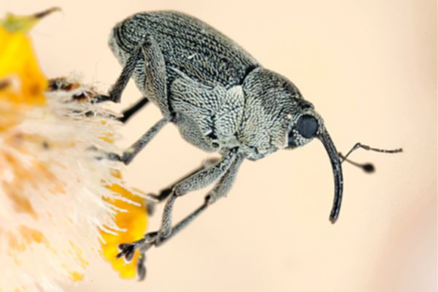
Cabbage Seedpod Weevil
The cabbage seedpod weevil (CSPW), Ceutorhynchus obstrictus (Marsham), is an introduced insect pest from Europe and causes damage to members of the Brassicaceae or mustard family, including cultivated crops such as canola and brown mustard.
As the winter canola acreage in central and eastern Washington continues to increase, so does the threat of CSPW causing significant damage to yields if left unmanaged.
As the winter canola acreage in central and eastern Washington continues to increase, so does the threat of CSPW causing significant damage to yields if left unmanaged.
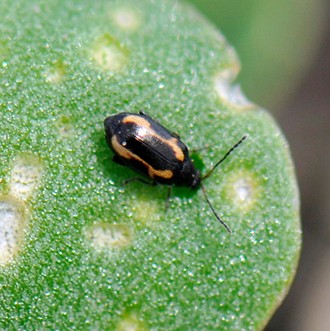
Flea Beetle
Flea beetles are usually not a problem in winter canola unless the crop is planted very early, the plants are stressed, and/or spring canola is in a nearby field and maturing. If young winter canola seedlings are the only green material for flea beetles to feed on, they can quickly move from a neighboring field with a mature crop into a winter canola field and cause damage. In spring canola, flea beetles are one of the major pests that can cause economic damage to canola in the PNW.
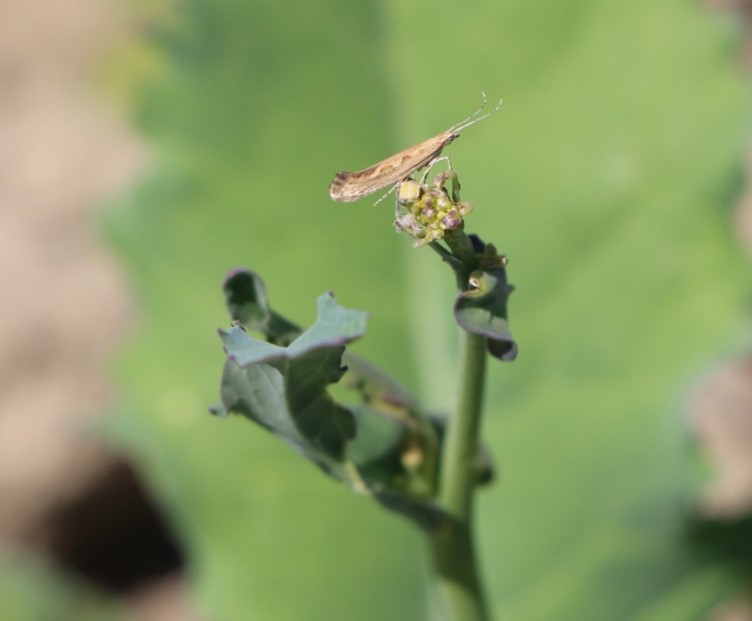
Diamondback moth
Diamondback moth, Plutella xylostella (Linnaeus), is not new to our area as it can be commonly found feeding on plants in the mustard family such as canola, oriental or yellow mustards along with weed species. It typically is not a pest of concern; however, in some years populations can reach large numbers and cause significant economic damage.
Grasshoppers
Grasshoppers are generalist feeders and will attack an array of plants. They may become more abundant in years when conditions are hot and dry. A reduction in natural vegetation can oftentimes make cultivated crops more appealing, such as canola. Both nymphs and adults can cause significant feeding damage, especially when feeding occurs on the developing or ripening pods. T
PEA

Pea weevil
The pea weevil, Bruchus pisorum (L.), is considered one of the most widely distributed species in the world and will attack both winter and spring peas. Heavy infestations of this key pest can reduce the pea seed to empty shells, severely impacting yields.

Plant Pest Diagnostic Clinic
Washington State University operates a Plant Pest Diagnostic Clinic in Puyallup. Services of the clinic are available to clients statewide. The Pullman clinic was closed in 2025.
Diagnostic services may also be found in Idaho and Oregon.
Insect
Pesticide Information Center OnLine (PICOL) Database
PICOL contains selected information from pesticide products registered in either Oregon, Washington, or in both states.
Take Action Insecticide Classification Chart
Repeated use of insecticides with the same mode of action can result in the development of resistant insect populations. This chart groups insecticides by their modes of action to assist you in selecting insecticides 1) to maintain greater diversity in insecticide use and 2) to rotate among effective insecticides with different modes of action to delay the development of insecticide resistance.
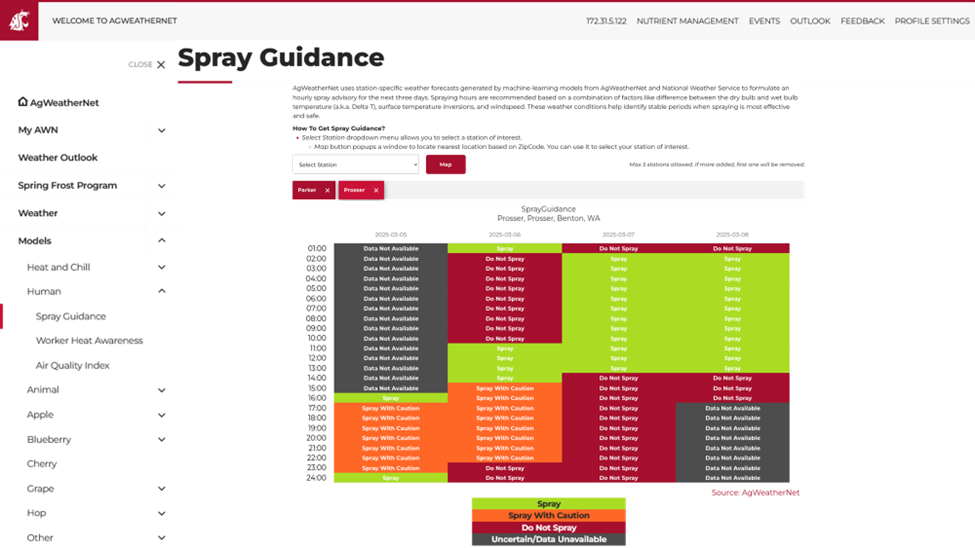
AgWeatherNet Spray Guidance Tool
Identify the most favorable times to spray for crop protection and weed management, while reducing chemical drift and human exposure. Once signed in, navigate to Models >> Human >> Spray Guidance.
If you require an alternative format for any of the content provided on this website, please contact us at small.grains@wsu.edu.