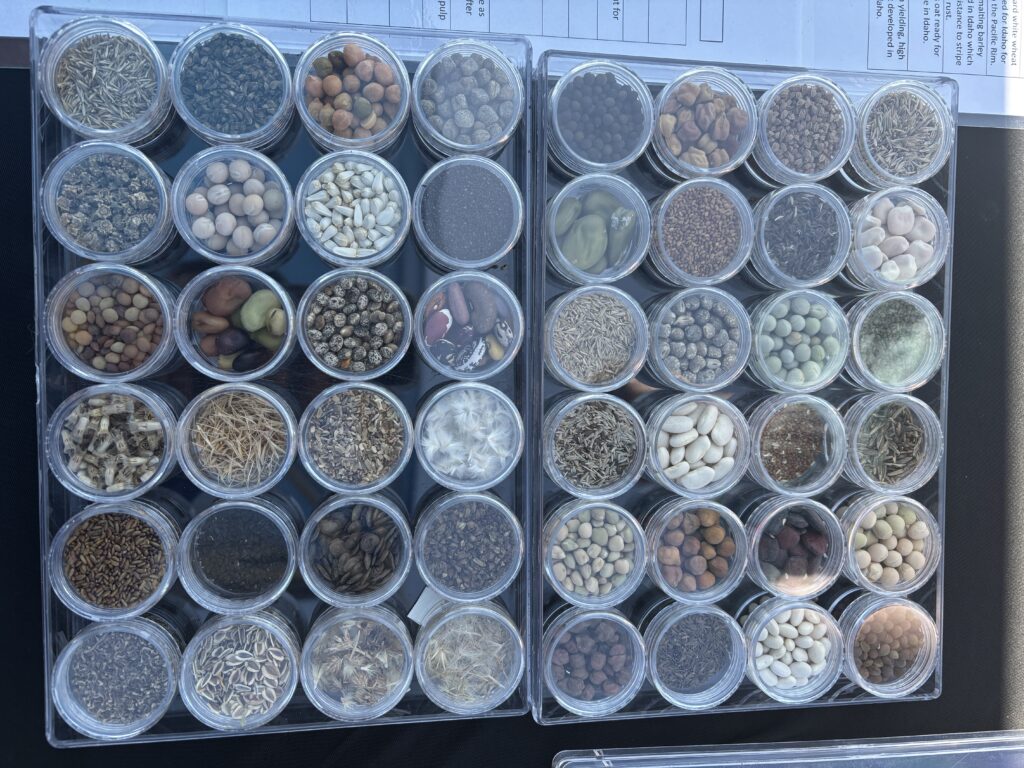
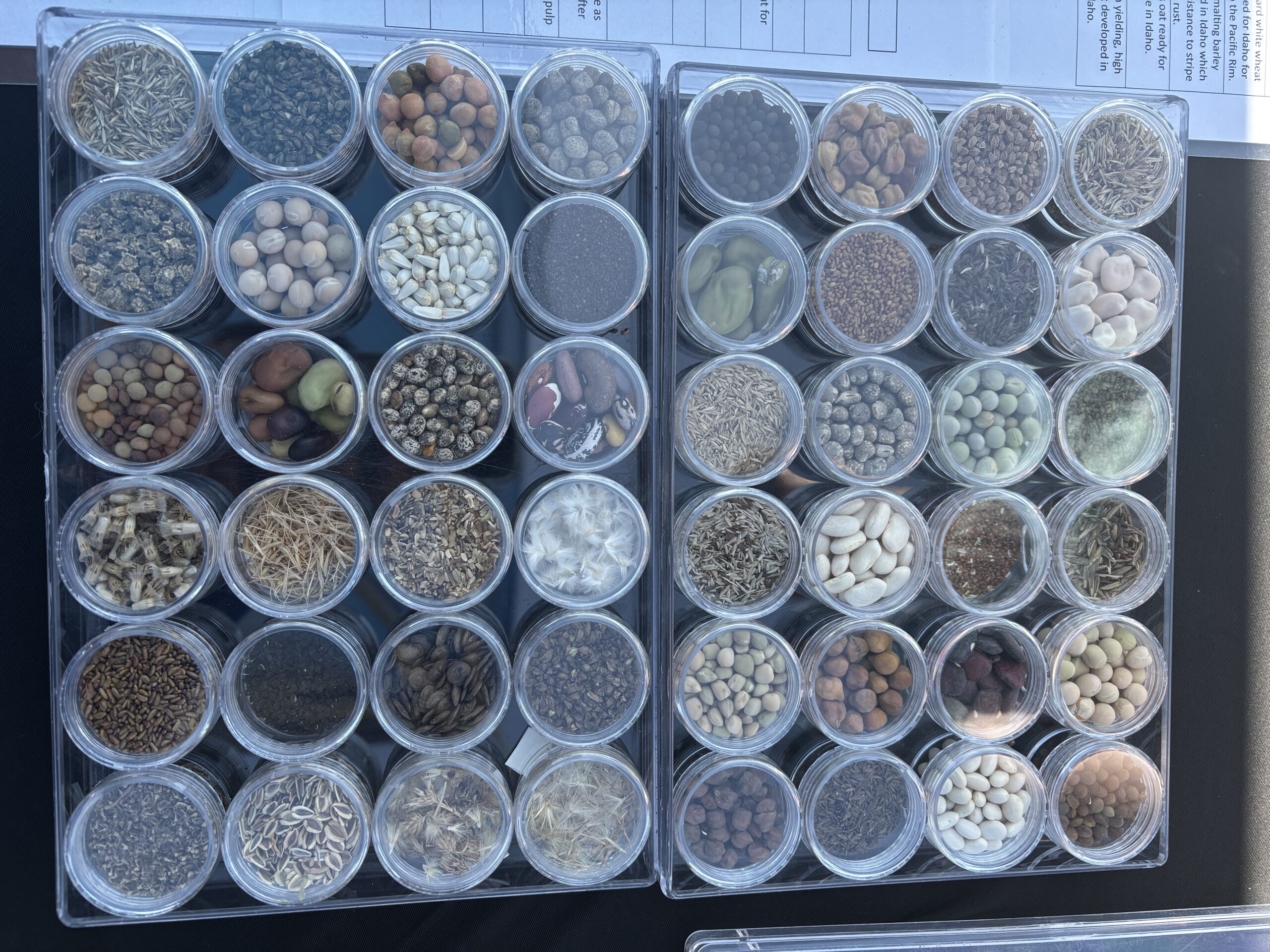
Plant breeding is as old as agriculture itself and has been practiced by farmers for over 100 centuries. In the past century, plant breeding has been accelerated by modern tools and has been so successful that modern crop varieties have now nearly completely replaced the hundreds of thousands of traditional heirloom or landrace crop varieties once grown by farmers around the world. This is an ironic danger, because the success of modern plant breeding has reduced the genetic variation encompassed by the landrace varieties, while at the same time relying on that very same genetic variation to continue to improve varieties for the future. This is why these landraces, older breeding lines, “off-Plant Variety Protection (PVP)” varieties, crop wild progenitors and other relatives, and other useful plants to plant breeders are now contained in genebank collections around the world. The National Plant Germplasm System (NPGS) of the USDA’s Agricultural Research Service (ARS) maintains 22 genebanks in the United States of crops important to U.S. agriculture, industry, and grazing lands, with over 600,000 accessions within 16,000 species.
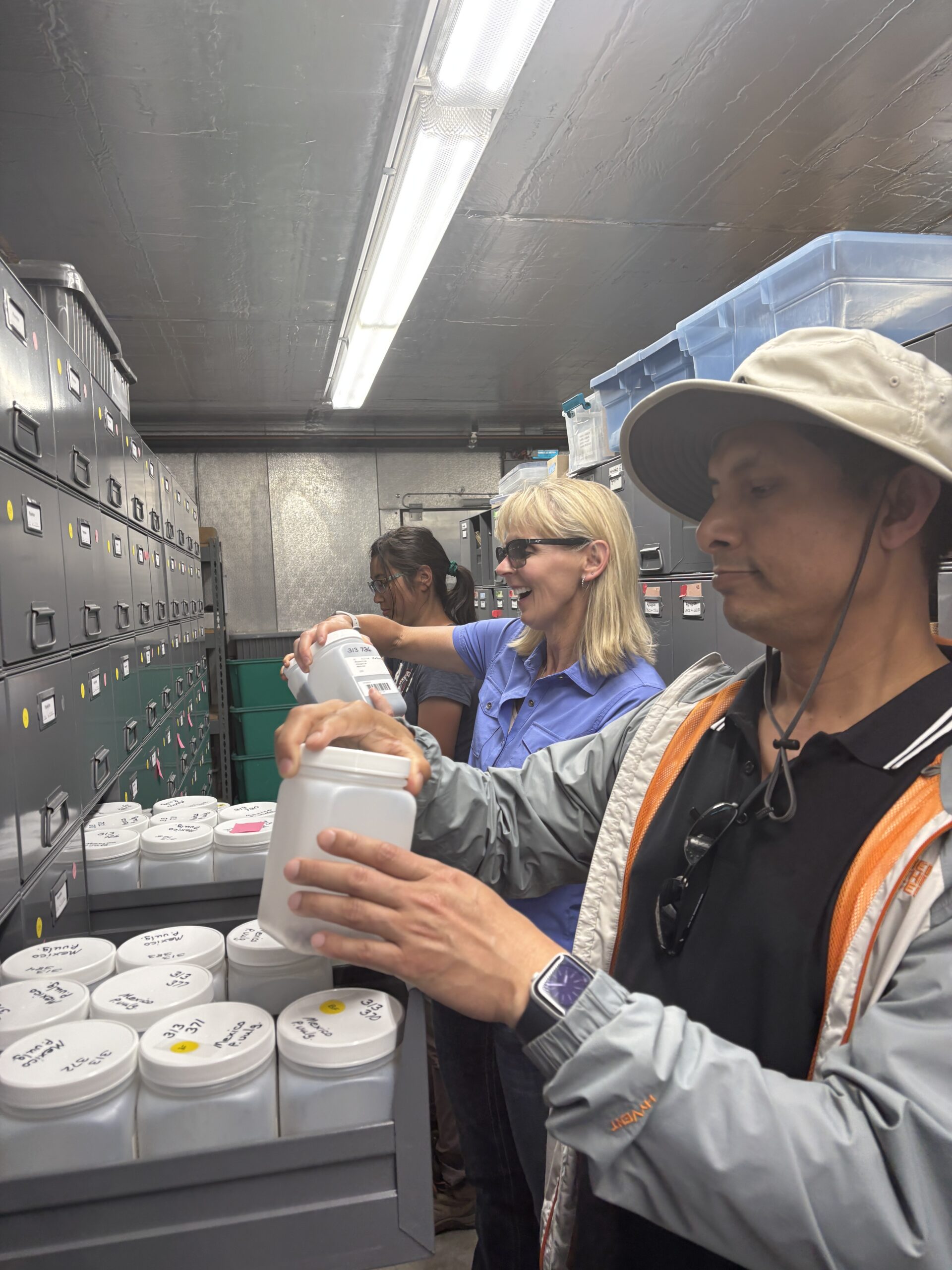
This spring, the Western Regional Plant Introduction Station (WRPIS) of NPGS, located in Pullman, Washington, hosted a series of field tours for partners to visit the field sites, greenhouses, and storage facilities. Local dryland producers, industry, research, and conservation partners, and other attendees enjoyed seeing how the wide range of unique plant materials are grown out while preserving the genetic integrity.
The WRPIS is one of four originally established sites in the U.S., dedicated to the conservation and use of plant germplasm vital to agriculture. Established in 1947 as a joint undertaking by Washington State University, WRPIS has a long history collecting, maintaining characterizing, and distributing seeds and plant materials. In 2024, 24,010 packets of seed samples and/or propagules were shipped to 48 U.S. states and Puerto Rico. These distributions were given to public plant breeders and other scientists for research, development, and education purposes at land grant universities, other public/private research institutions, USDA sites, non-profit organizations, and private industry.
Primary collections in Pullman include cool season food legumes (such as pea, lentil faba bean, and chickpea), turf and forage cool season grasses (such as fescue and bluegrass), temperate forage legumes (such as alfalfa and clover), common bean (Phaseolus sp.), horticultural crops (such as lettuce, sugar beets, and garlic), and U.S. natives used in restoration along with many other important plant species.
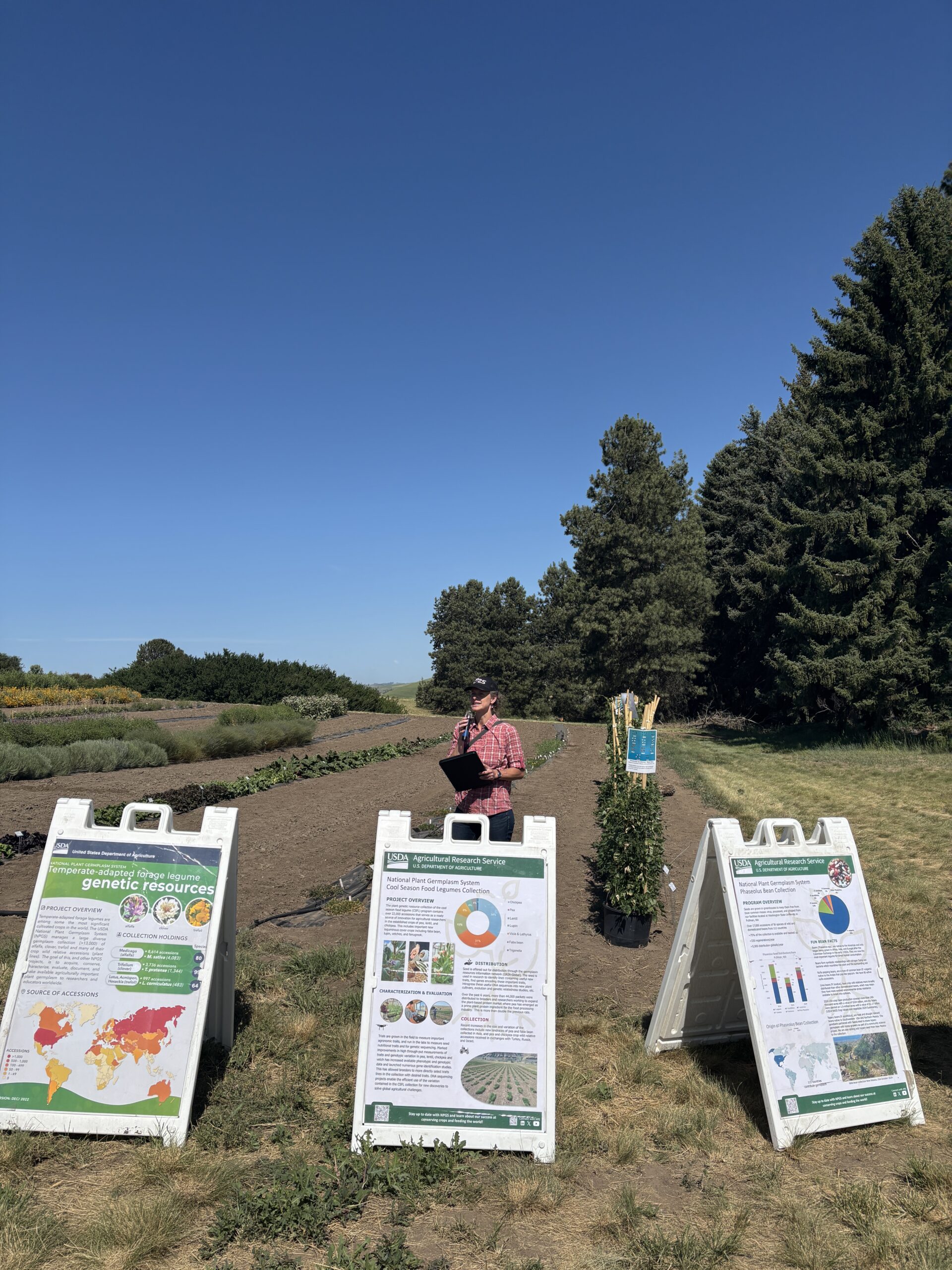
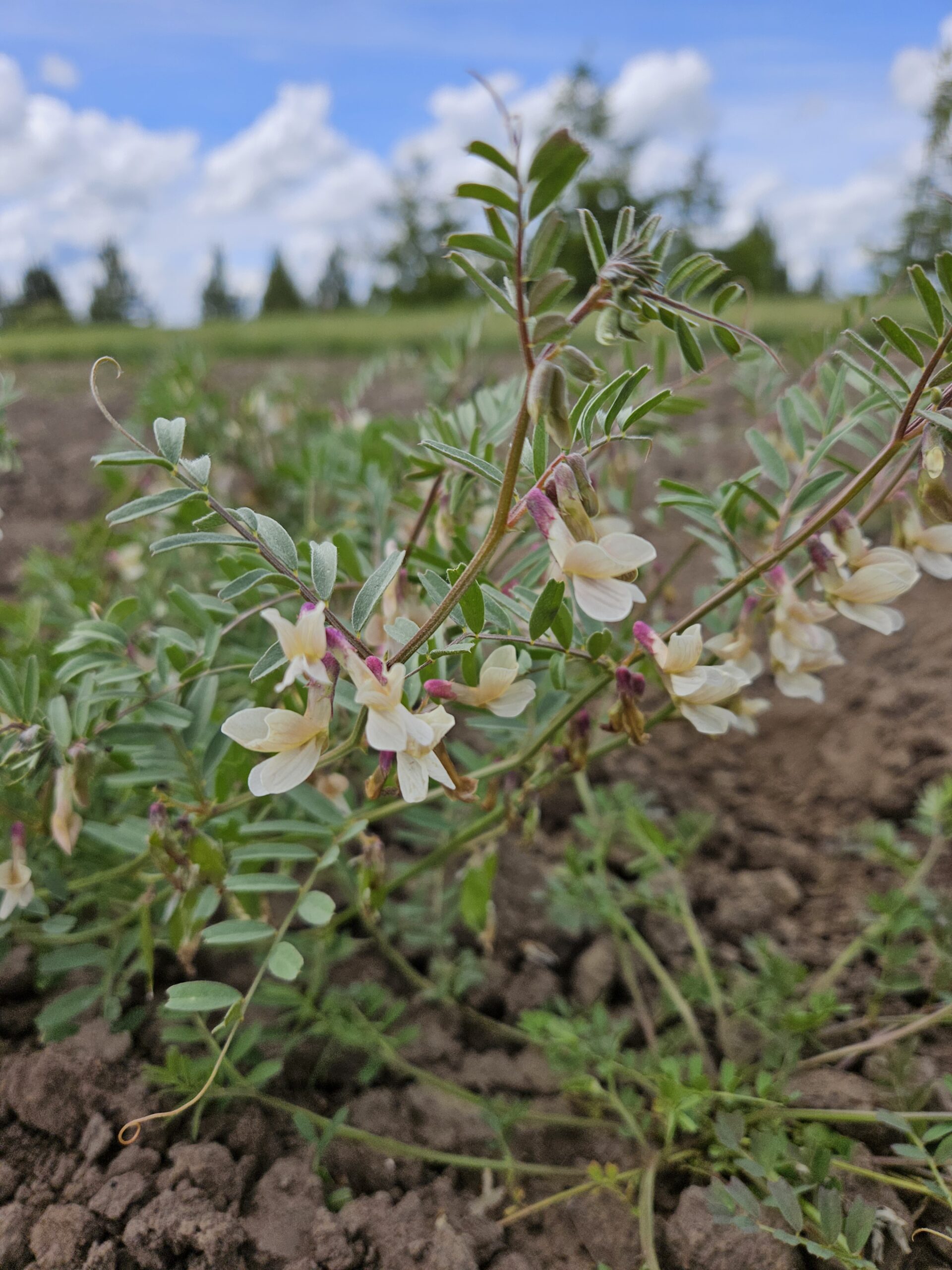
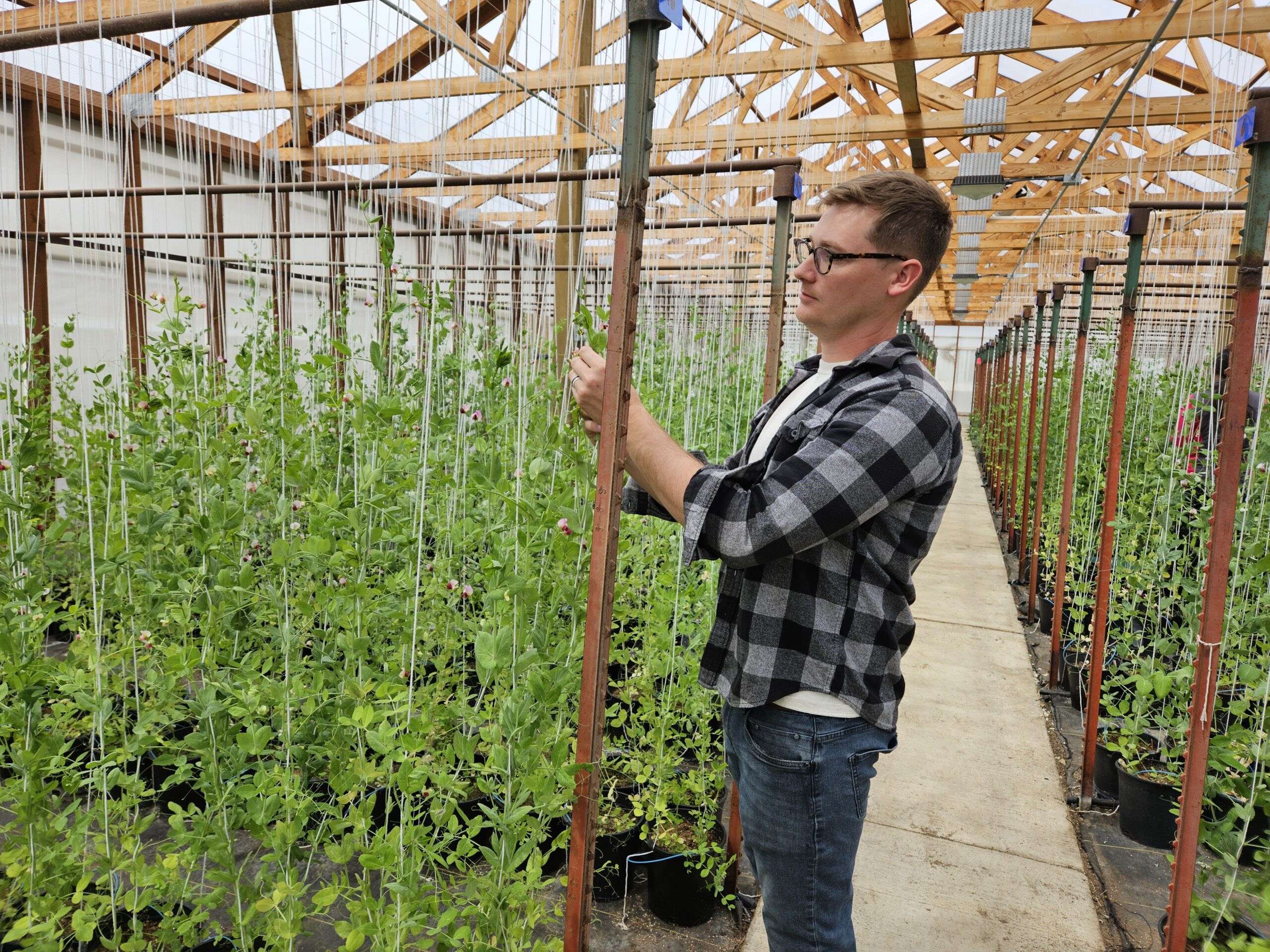
As new diseases evolve; insects move into new territory; drought, heat, flooding, and freezing threaten crops; and soils degrade, farmers have a harder time generating the high yields we depend on. Plant breeders respond by creating new varieties with resistance or tolerance to these biotic and abiotic stresses. Trends in consumer food preferences with more protein, vitamins, and minerals, or new flavors, sizes, colors, or shape drive efforts toward more diversified options for a healthy diet. At WRPIS in the last 5 years, distributions for pea germplasm for breeding high protein varieties has increased several-fold to breed varieties for the new plant-based protein industry. In addition, new pea varieties are being released by breeders with resistance to diseases. For example, in the state of Washington, the variety ‘Hampton’ was released in 2016 with resistance to pea enation mosaic virus and bean leafroll virus. New breeding lines with resistance to both Aphanomyces root rot and Fusarium root rot will be bred from these lines.
Plant breeders can find the genetic variation to improve all these traits in the plant genetic resources in the genebanks. Modern approaches in areas of genomics have prompted renewed interest in the use of germplasm collections for trait discovery. Innovations in basic and applied plant science research at public, private, and non-profit organizations are often spurred by access to these genetic resources. Further examples of the uses of plant genetic resources in successful breeding programs abound in scientific literature. Many of these examples have been highlighted in an e-book developed through a collaboration between Iowa State University, Colorado State University, and ARS and is freely available.
Palouse farmers benefit from new cultivars of lentils and chickpeas bred from WRPIS material, along with wheat varieties enhanced from the trait diversity available in the collections of the National Small Grains Collection, a sister genebank in Aberdeen, Idaho. So, the next time you are planting or eating pulses (or grains) with special traits, thank the USDA genebanks!
Contributed by Dr. Marilyn Warburton and Carol McFarland.