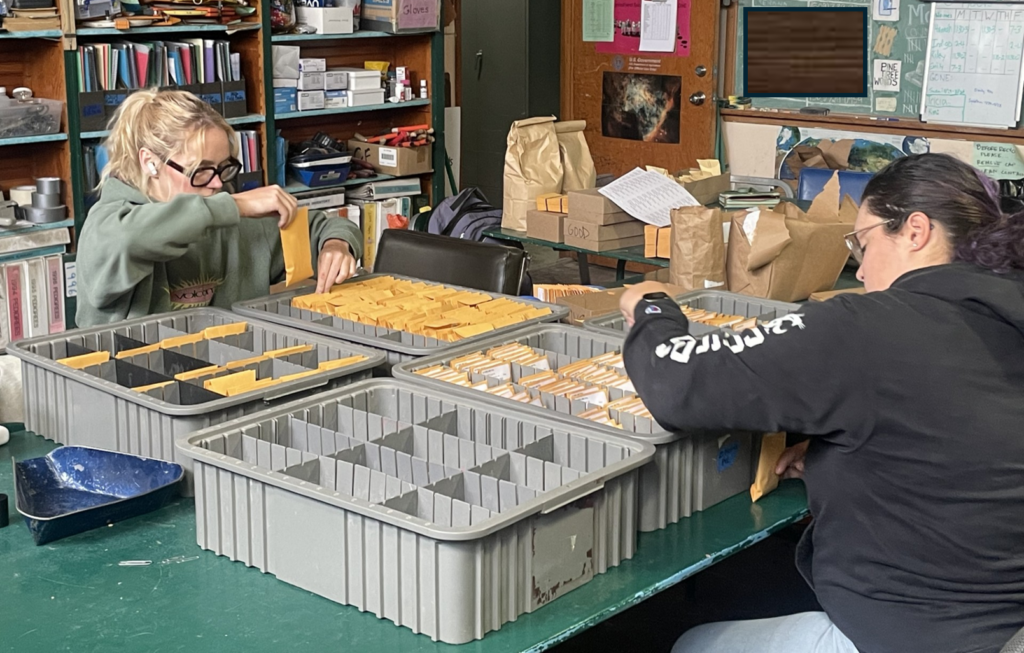
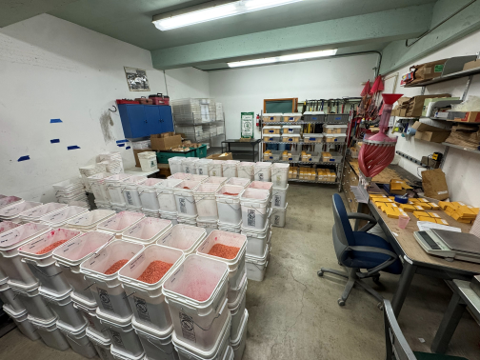
With harvest largely complete across Washington’s wheat-producing regions, the Washington State University Cereal Variety Testing Program has wrapped up another season of data collection and evaluation. The 2025-2026 crop year provided an opportunity to observe a wide range of environmental conditions, disease pressures, and grain quality outcomes across the statewide testing network.
Winter Wheat Season Highlights
One of the most notable observations from the 2025-2026 season was the exceptional yield performance recorded at many winter wheat testing locations. Favorable growing conditions supported strong biomass production and grain fill, resulting in record or near-record yields across portions of the state.
Alongside these impressive yields came lower grain protein levels. The familiar inverse relationship between yield and protein was evident at many locations, highlighting the challenge of maintaining protein under highly productive growing conditions.
Disease observations were also an important component of this year’s evaluations. Soilborne wheat mosaic virus (SBWMV) was identified at several testing locations and nearby production fields. While severity varied among locations and varieties, its presence highlighted the importance of continued evaluation of varietal responses to emerging disease pressures.
Stripe rust was also observed across parts of the testing program. Differences in varietal susceptibility were readily apparent, reinforcing the value of disease resistance ratings and statewide performance data when selecting varieties.
Perhaps no issue generated more discussion this year than non-alpha-amylase induced low falling number (NAIL). Confirmed cases were found in both soft white and hard red varieties across Washington, Oregon, and Idaho. Research efforts are ongoing to better understand the environmental conditions and genetic factors associated with NAIL development.
A Strong, Steady Spring Wheat Crop
In contrast to recent years, the spring wheat crop was relatively straightforward. Conditions generally favored crop development, and disease pressure remained manageable at most testing locations.
Many sites produced average to above-average yields, while excellent test weights were observed across much of the testing network. The combination of strong yield potential and grain quality contributed to a successful spring wheat season.
Looking Ahead to the 2027 Crop
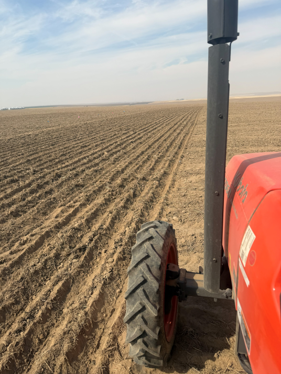
While analysis of the 2025-2026 data and publication of multi-year reports are still underway, attention has already shifted to next year’s crop. Winter wheat planting has been completed at Ritzville, Kahlotus, Douglas County, and Harrington with assistance from the WSU Winter Wheat Breeding Program and the USDA-ARS Club Wheat Program. Winter barley trials will also be included this year at St. John, Fairfield, and Pullman locations.
We would like to thank our many supporters, including the Washington Grain Commission and USDA-ARS, as well as the grower-cooperators, private-sector collaborators, and wheat producers whose continued partnership helps make this program possible.
Contributed by Alison Thompson. Please contact Tricia DeMacon with questions regarding the 2026 WSU Variety Testing Program.