Meet Our Team
The WSU Extension Dryland Cropping Systems Team is a collaboration of Eastern Washington county extension educators and WSU campus-based faculty from multiple departments. Together, they work to efficiently coordinate and deliver educational information and resources to dryland crop producers. The team includes specialists in plant pathology, entomology, weed science, soil fertility, economics, agronomy, variety selection, and communications.

Joao Antonangelo
Assistant Professor – Applied Soil Chemistry
Washington Wheat Distinguished Professor
Joao is currently engaged in research in applied soil chemistry within the context of wheat agricultural systems in WA. His primary research thrust centers around addressing the issue of soil acidification in WA, a problem predominantly stemming from excessive nitrogen application. Joao’s work is concentrated on enhancing nitrogen use efficiency (NUE) and optimizing the effectiveness of lime application. Additionally, he investigates innovative soil management strategies aimed at boosting soil organic carbon levels and explores the intricate interactions between organic matter and toxic aluminum in the pursuit of fostering increased wheat crop production in low-pH soils.
Email: joao.antonangelo@wsu.edu
Phone: 509-335-4877
Washington Wheat Distinguished Professor
Joao is currently engaged in research in applied soil chemistry within the context of wheat agricultural systems in WA. His primary research thrust centers around addressing the issue of soil acidification in WA, a problem predominantly stemming from excessive nitrogen application. Joao’s work is concentrated on enhancing nitrogen use efficiency (NUE) and optimizing the effectiveness of lime application. Additionally, he investigates innovative soil management strategies aimed at boosting soil organic carbon levels and explores the intricate interactions between organic matter and toxic aluminum in the pursuit of fostering increased wheat crop production in low-pH soils.
Email: joao.antonangelo@wsu.edu
Phone: 509-335-4877

Aaron Esser
Regional Extension Agronomist, Lincoln-Adams Extension
My program focuses on helping growers adopt minimum tillage and no-till systems, and more intensive crop rotations that improves soil quality, productivity, and overall profitability. Since 2008, my program has specialized in the management of wireworms in cereal grain production. I grew up on a farm near Genesee, Idaho, and received my Bachelor’s Degree in agricultural economics and a Masters Degree in plant science at the University of Idaho. I can answer questions related to wheat and barley in low to intermediate rainfall zones.
Email: aarons@wsu.edu
Phone: 509-659-3210
My program focuses on helping growers adopt minimum tillage and no-till systems, and more intensive crop rotations that improves soil quality, productivity, and overall profitability. Since 2008, my program has specialized in the management of wireworms in cereal grain production. I grew up on a farm near Genesee, Idaho, and received my Bachelor’s Degree in agricultural economics and a Masters Degree in plant science at the University of Idaho. I can answer questions related to wheat and barley in low to intermediate rainfall zones.
Email: aarons@wsu.edu
Phone: 509-659-3210
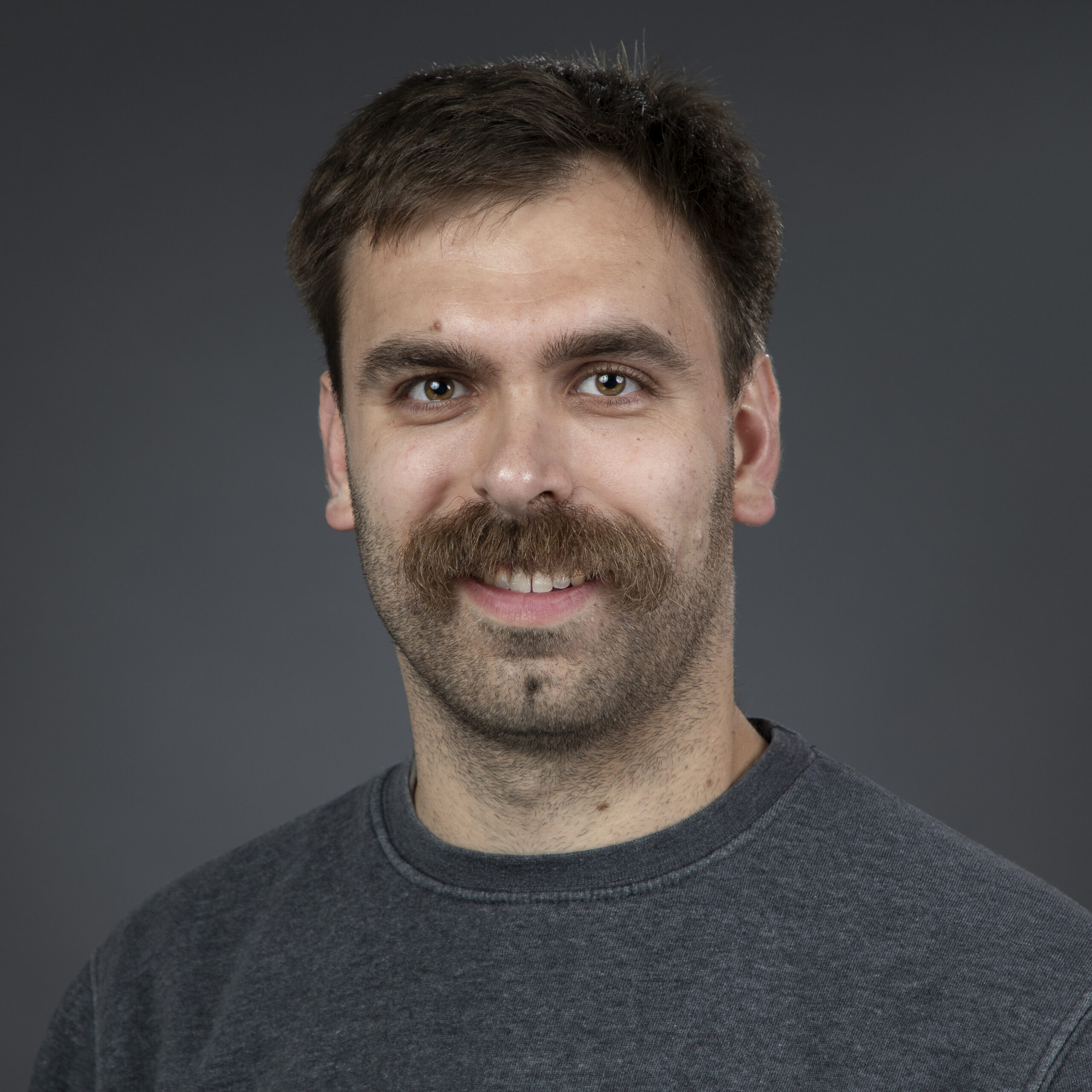
Jesse Ford
Associate in Research, WSU Lincoln County Extension
My research program focuses on spring and winter canola variety testing and addressing agronomic concerns related to canola production in eastern Washington. The goal of this program is to provide farmers with production-centered research that facilitates the integration of canola into cropping system rotations across the region. I am originally from central Illinois and have always been interested in production agriculture. I received my degrees from the University of Illinois and Washington State University. My research focus as a graduate student at Washington State was on improving the overwintering success of winter canola.
Email: jesse.ford@wsu.edu
My research program focuses on spring and winter canola variety testing and addressing agronomic concerns related to canola production in eastern Washington. The goal of this program is to provide farmers with production-centered research that facilitates the integration of canola into cropping system rotations across the region. I am originally from central Illinois and have always been interested in production agriculture. I received my degrees from the University of Illinois and Washington State University. My research focus as a graduate student at Washington State was on improving the overwintering success of winter canola.
Email: jesse.ford@wsu.edu
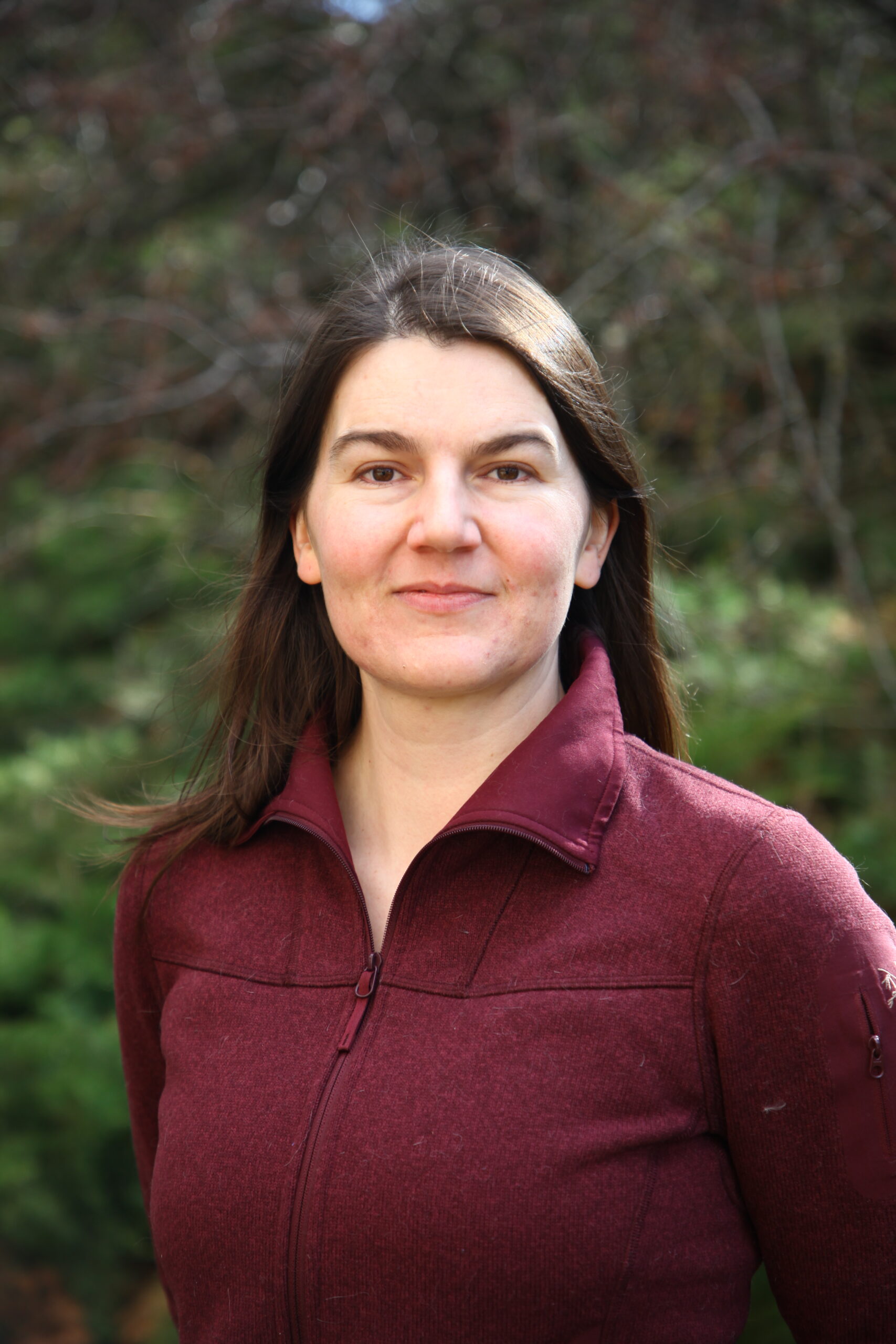
Maren Friesen
Associate Professor, Department of Plant Pathology, Department of Crop and Soil Sciences
Dr. Friesen is an associate professor in the departments of Plant Pathology and Crop and Soil Sciences at Washington State University. She holds a Ph.D. in population biology from University of California, Davis and a B.Sc. in mathematics and ecology from the University of British Columbia. She is an evolutionary ecologist focusing on plant-microbiome interactions with an emphasis on understanding mutualisms between plants and nitrogen-fixing bacteria using a range of observational, experimental, and modeling approaches. Her research goal is to understand fundamental processes acting at molecular, organismal, population/community, and ecosystem scales in order to facilitate biologically-based approaches to sustainable agricultural practices.
Email: m.friesen@wsu.edu
Phone: 509-335-5805
Dr. Friesen is an associate professor in the departments of Plant Pathology and Crop and Soil Sciences at Washington State University. She holds a Ph.D. in population biology from University of California, Davis and a B.Sc. in mathematics and ecology from the University of British Columbia. She is an evolutionary ecologist focusing on plant-microbiome interactions with an emphasis on understanding mutualisms between plants and nitrogen-fixing bacteria using a range of observational, experimental, and modeling approaches. Her research goal is to understand fundamental processes acting at molecular, organismal, population/community, and ecosystem scales in order to facilitate biologically-based approaches to sustainable agricultural practices.
Email: m.friesen@wsu.edu
Phone: 509-335-5805
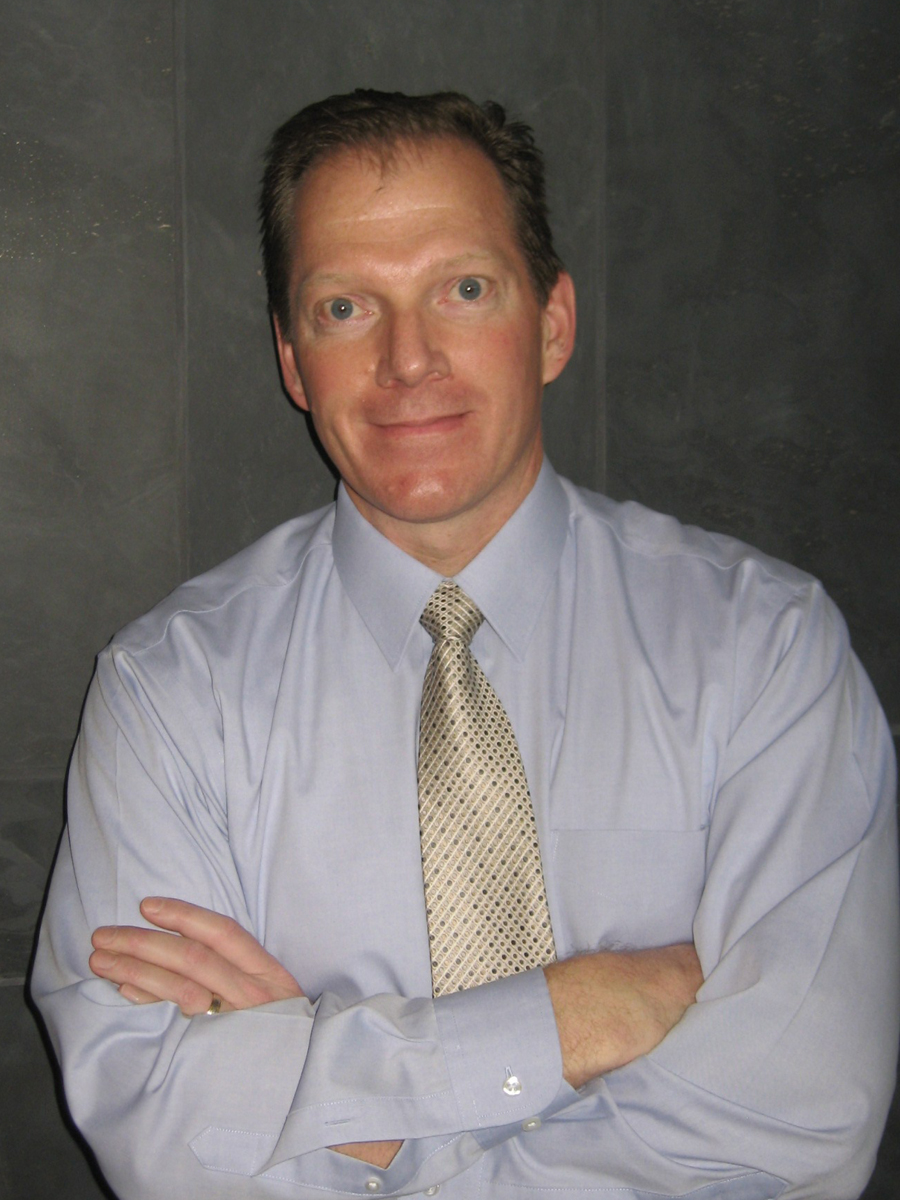
Rich Koenig
Professor of Soil Science
I am a professor of soil science in the Department of Crop and Soil Sciences, and have previously served in various leadership roles in the College of Agricultural, Human, and Natural Resource Sciences. My research and extension programs focus on applied soil fertility and management in dryland cropping systems of eastern Washington.
Email: richk@wsu.edu
I am a professor of soil science in the Department of Crop and Soil Sciences, and have previously served in various leadership roles in the College of Agricultural, Human, and Natural Resource Sciences. My research and extension programs focus on applied soil fertility and management in dryland cropping systems of eastern Washington.
Email: richk@wsu.edu
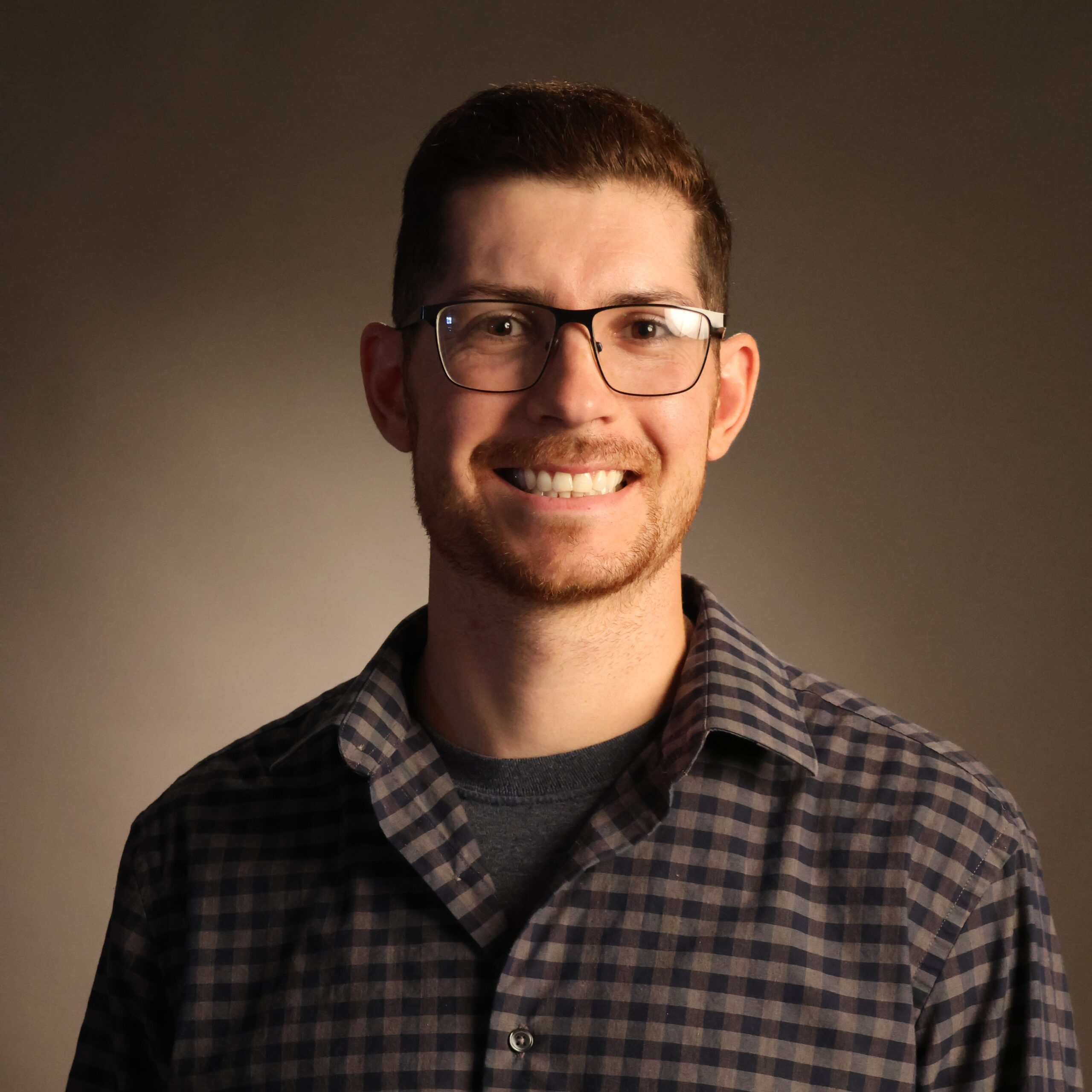
Morgan Menaker
Regional Extension Agronomist
My extension program aims to meet the specific needs of dryland cropping systems in Southeastern Washington, including Whitman, Asotin, Columbia, Garfield, and Walla Walla counties. Enhancing integrated weed management, profitable small grains production, and expanding cropping systems diversity are areas I would like to investigate throughout the region. I received my Bachelors in biology from the Virginia Military Institute and Masters in plant science and pest management from Virginia Tech. Connect with me and we can talk about your crops, concerns, or general agronomic topics.
Email: morgan.menaker@wsu.edu
Phone: 509-397-6290
My extension program aims to meet the specific needs of dryland cropping systems in Southeastern Washington, including Whitman, Asotin, Columbia, Garfield, and Walla Walla counties. Enhancing integrated weed management, profitable small grains production, and expanding cropping systems diversity are areas I would like to investigate throughout the region. I received my Bachelors in biology from the Virginia Military Institute and Masters in plant science and pest management from Virginia Tech. Connect with me and we can talk about your crops, concerns, or general agronomic topics.
Email: morgan.menaker@wsu.edu
Phone: 509-397-6290

Jenna Osiensky
Web and Events Manager
I manage the Small Grains website, social media channels, and events, such as the Wheat Academy. Contact me if you have questions about upcoming events, if you need assistance with our website or web resources, or if you’re looking to connect with a member of our team.
Email: small.grains@wsu.edu
Facebook: WSU Small Grains
X: @WSUSmallGrains
I manage the Small Grains website, social media channels, and events, such as the Wheat Academy. Contact me if you have questions about upcoming events, if you need assistance with our website or web resources, or if you’re looking to connect with a member of our team.
Email: small.grains@wsu.edu
Facebook: WSU Small Grains
X: @WSUSmallGrains

Surendra Singh
Assistant Professor and Director of the Lind Dryland Research Station
View profile
Email: surendra.singh@wsu.edu
Phone: 509-677-3256
View profile
Email: surendra.singh@wsu.edu
Phone: 509-677-3256

Rachel Wieme
Regional Extension Agronomist
My extension program covers a broad range of topics to support soil health and resilient food systems. Current work includes nutrient management, mitigating soil acidification, cropping system diversification, and composting livestock mortalities and processing waste. I completed my Ph.D. in soil science at Washington State University in Pullman and am based in Walla Walla.
Email: rachel.wieme@wsu.edu
My extension program covers a broad range of topics to support soil health and resilient food systems. Current work includes nutrient management, mitigating soil acidification, cropping system diversification, and composting livestock mortalities and processing waste. I completed my Ph.D. in soil science at Washington State University in Pullman and am based in Walla Walla.
Email: rachel.wieme@wsu.edu